admin
Cheap home upgrades can make a space feel more polished and thoughtfully designed without the cost or disruption of a full renovation. With a budget of up to $200 for a small, carefully chosen project, updates like fresh paint, improved lighting, or new hardware can noticeably change the look of a room. Prices vary by materials, location, and project size, so it helps to choose one priority and check costs before getting started.
Rather than waiting until you can redo an entire room, focus on details that affect how the space looks and works every day. Tackle one manageable update at a time, and choose finishes that suit your home’s existing colors and materials.
The ideas below cover paint, architectural details, lighting, window treatments, and styling. Many smaller versions of these projects can fit within a $200 budget, while larger areas or premium materials may cost more.
Cheap Home Upgrades That Make a Big Impact
Small changes are often easier to plan, complete, and adjust than a major renovation. Before buying supplies, measure the area, compare a few options, and set aside part of your budget for tools or preparation materials.

Refresh a Room with Paint and Color
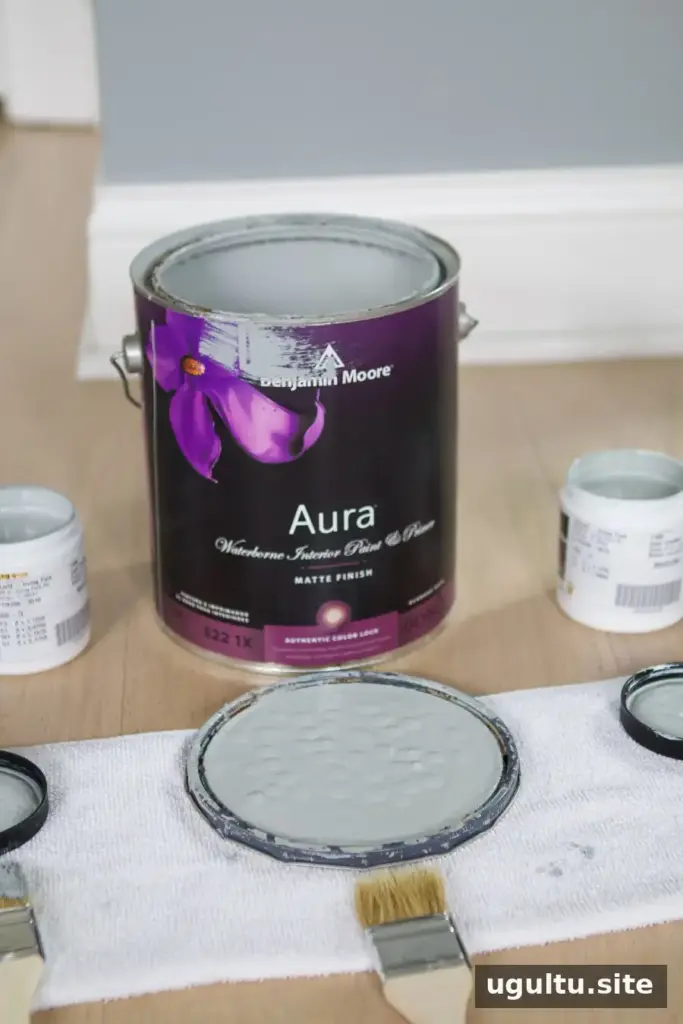
Paint is a flexible way to update a room, door, or piece of cabinetry. A gallon of paint can cost less than $100, although the total project price depends on the surface, preparation, and supplies needed. Test a sample in the room first, since daylight and artificial lighting can change how a color appears.
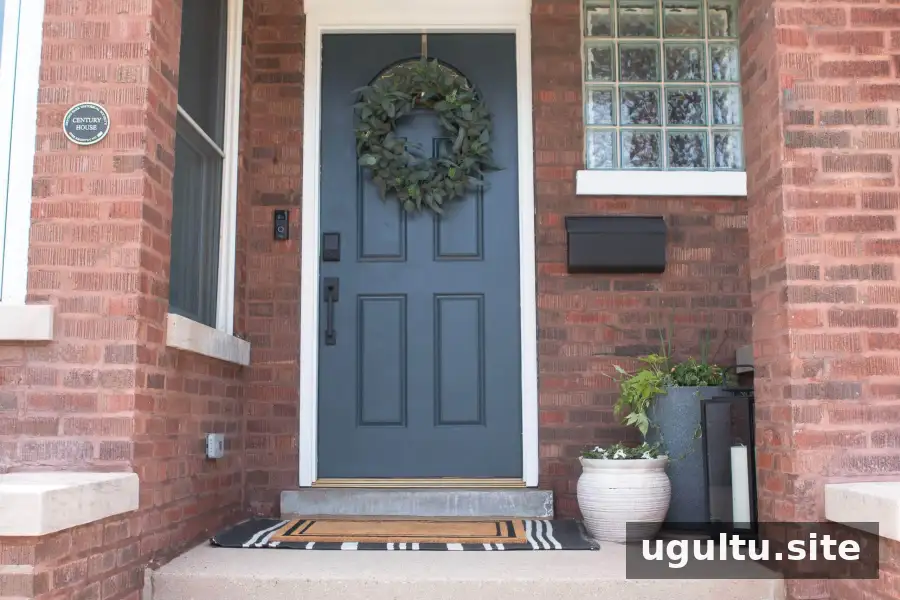
A freshly painted front door can add color and improve curb appeal. Clean and prepare the surface, then use paint appropriate for the door’s material and exposure to the weather.
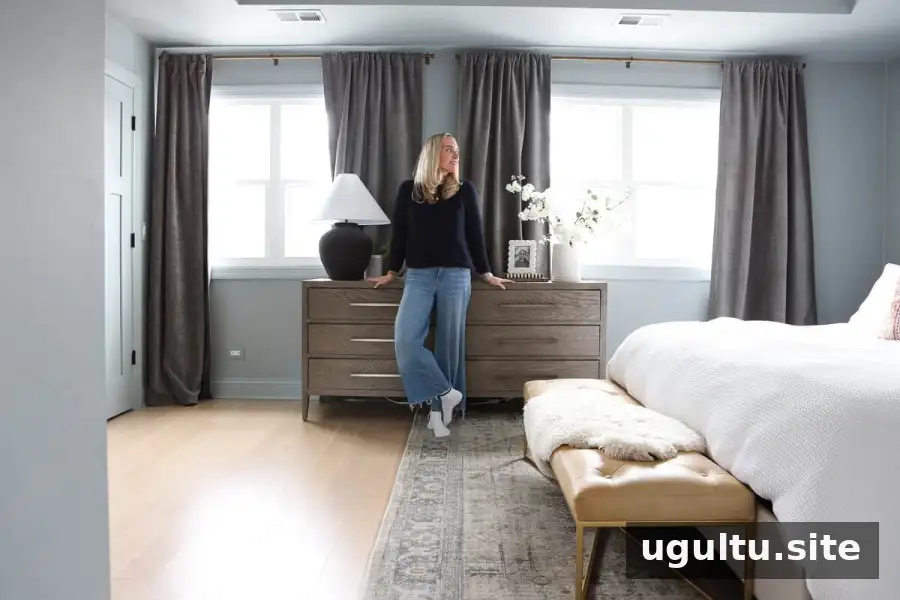
For a more unified effect, consider painting walls, trim, and interior doors in a coordinated color. This approach, often called color drenching, can make a room feel cohesive. Use painter’s tape and allow adequate drying time between coats for cleaner edges.
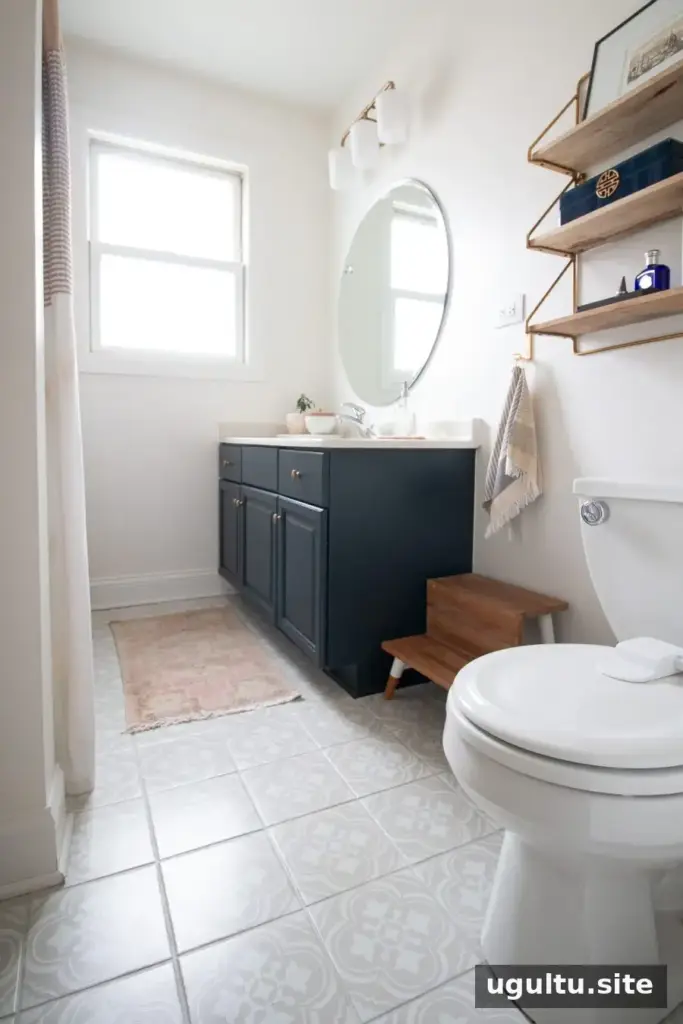
Paint can also refresh a bathroom vanity or tile, but these surfaces need suitable primers and coatings. Follow product instructions carefully, especially in areas exposed to moisture, and allow the finish to cure before regular use. Choosing an appropriate paint sheen also helps balance appearance with durability.
Ideas to consider:
- Paint a front or garage door
- Refresh a room or try color drenching
- Update a bathroom vanity
- Paint tile with products designed for the surface
- Choose a suitable paint sheen for each area
Add Architectural Detail for a Custom Look
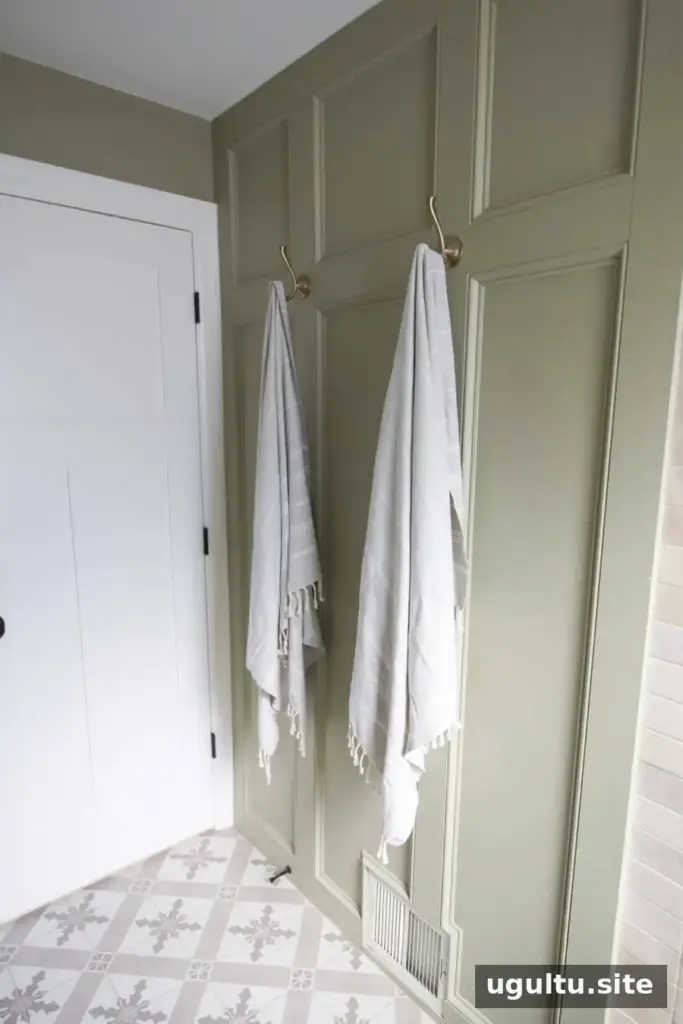
Simple trim and wood details can give a room a more finished appearance. A small accent wall or a modest molding project may fit a limited budget, but costs can rise with larger spaces, complex layouts, and specialized tools.
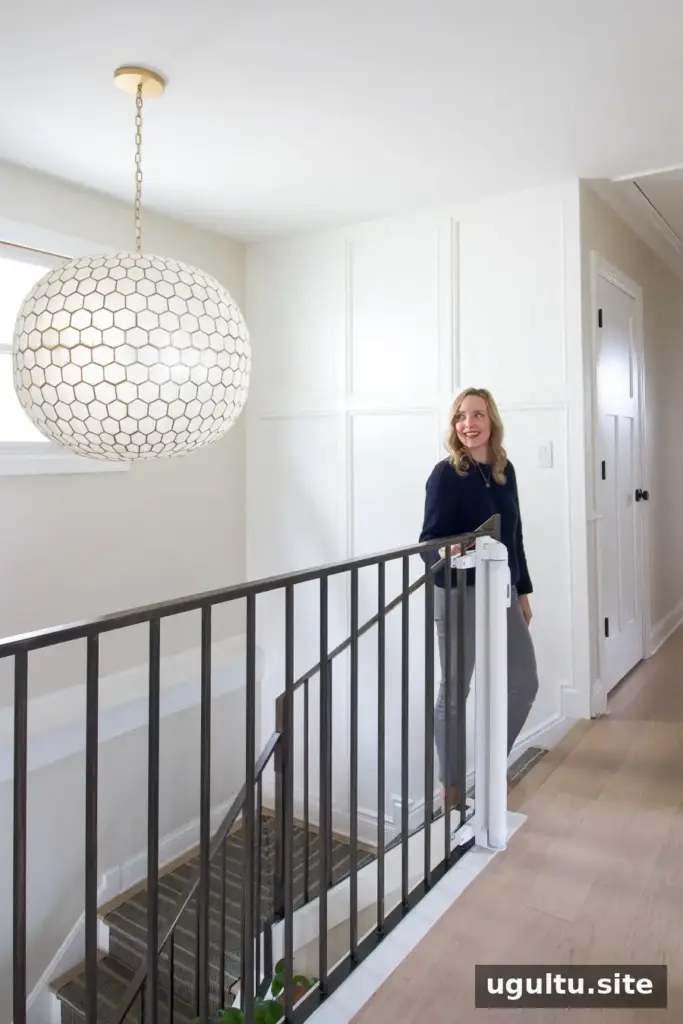
Plan the design before purchasing materials. Measure the wall, mark the layout, and check for pipes or wiring before drilling or cutting. For projects that involve unfamiliar tools or structural changes, seek qualified help.
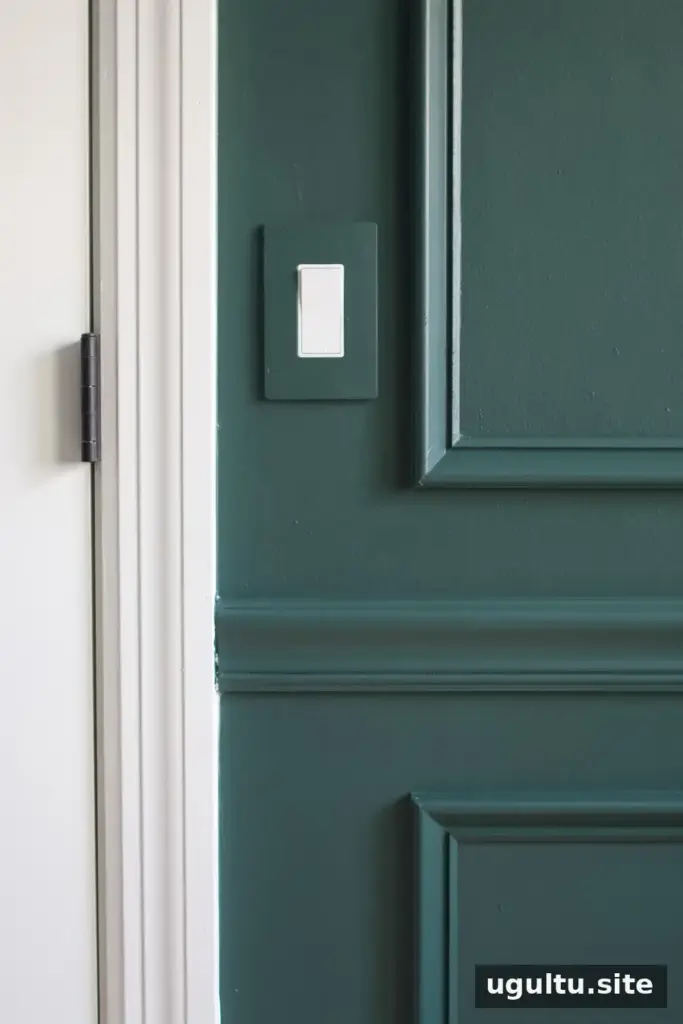
Picture-frame molding, chair rail, beadboard, and wood trim on bifold doors are options for adding visual interest. A single wall or hallway can provide a noticeable change without requiring materials for the whole home.
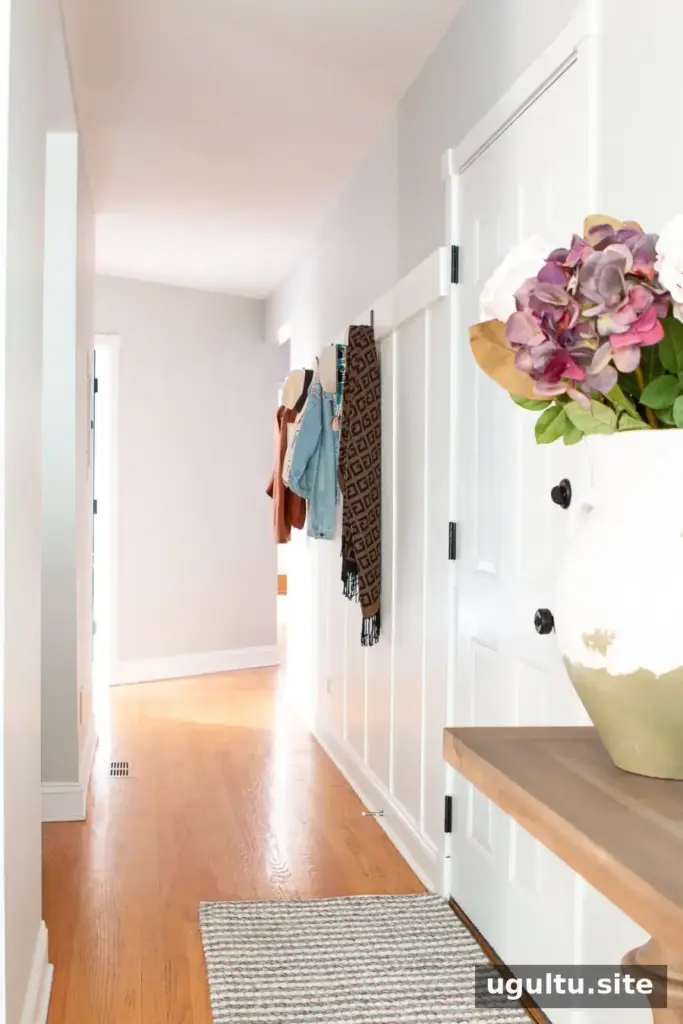
Keep the design in proportion to the room. Consistent spacing and carefully finished corners often matter more to the final result than adding extra decorative elements.
Ideas to consider:
- Add picture-frame molding or chair rail
- Install beadboard or board and batten
- Create a small wood accent wall
- Add trim to bifold doors
- Plan a hallway detail with hooks
Make Simple Hardware and Detail Swaps
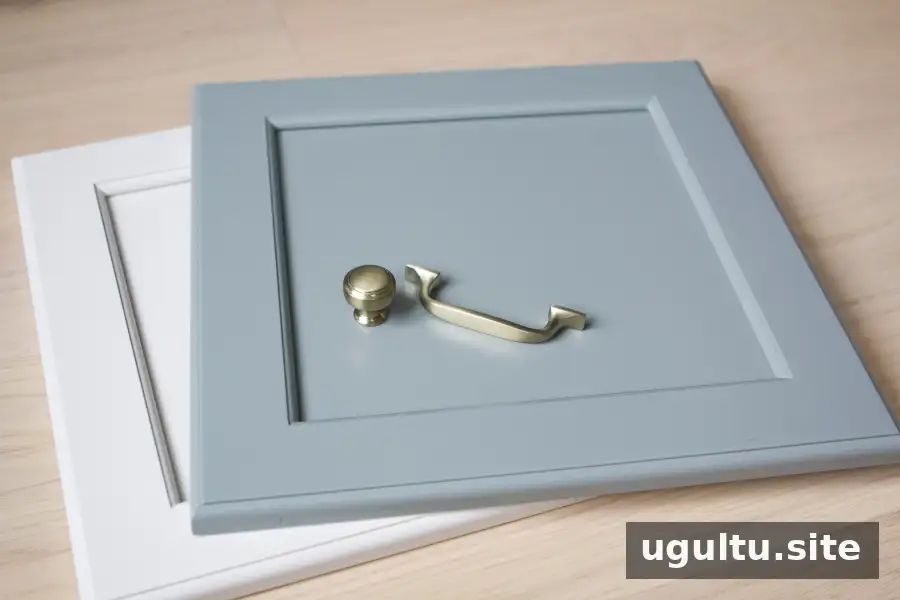
Replacing a few dated fixtures or fittings can make a room feel more coordinated. These updates are especially useful when a full remodel is not practical, and they can often be completed one area at a time.
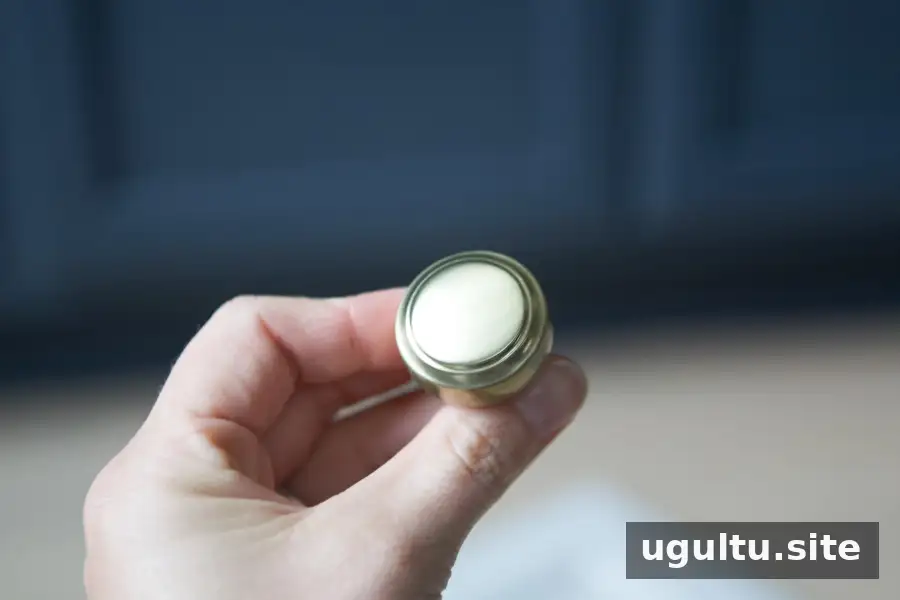
New cabinet knobs or pulls can refresh a bathroom vanity or kitchen cabinets. Check the existing hole spacing before buying replacements; matching it can prevent extra drilling and help keep the project simple.
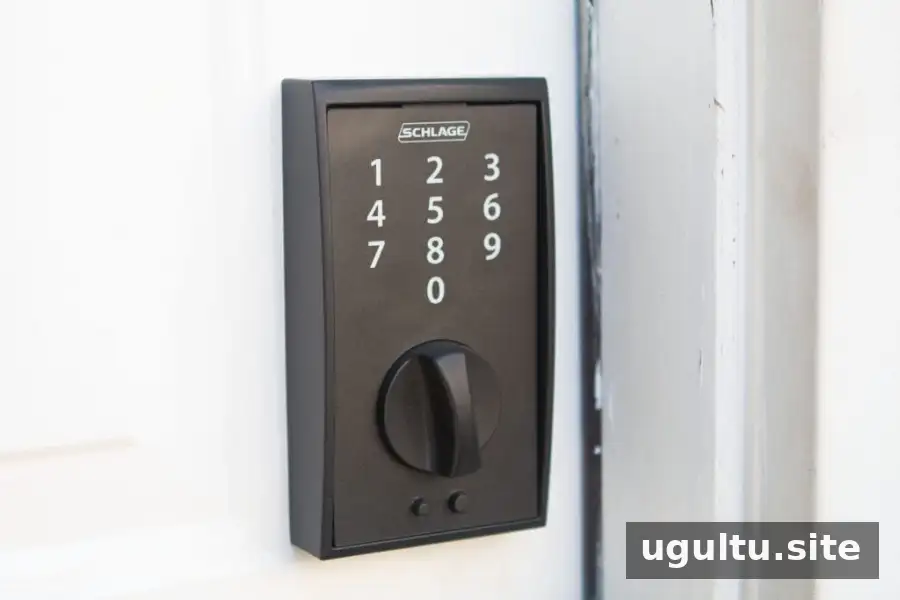
A new front-door handle can sharpen the entryway, while updated interior door hardware can create a consistent look throughout the home. If replacing several sets, spread the work across multiple purchases to manage the budget.
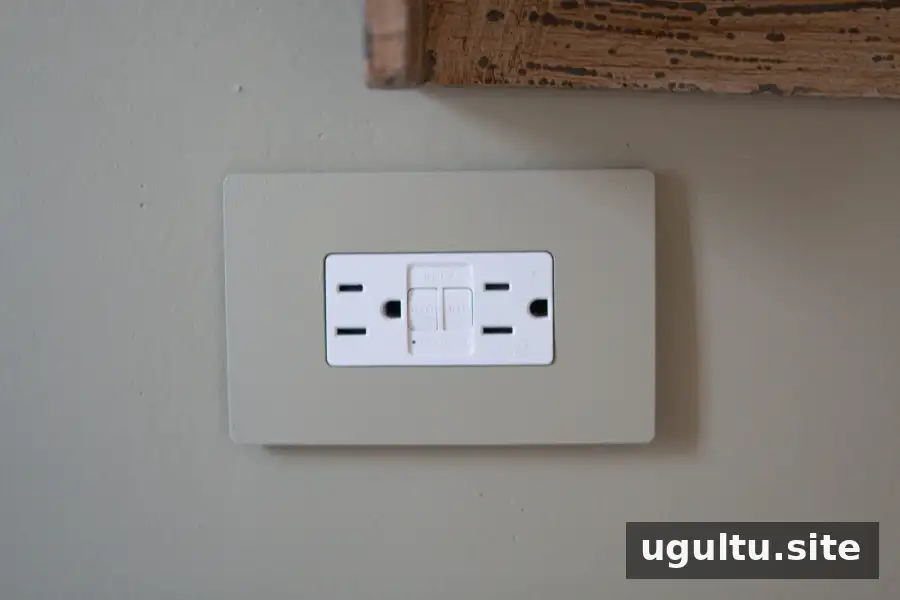
Switch plates and outlet covers are small details that can make walls look neater. Turn off power before working near electrical fittings, and contact an electrician if the task involves wiring. Painting covers to blend with a wall is another option when the material and paint are suitable.
Ideas to consider:
- Replace cabinet knobs or pulls
- Update a front-door handle
- Replace interior door hardware
- Refresh outlet and switch covers safely
Use Lighting to Elevate a Space
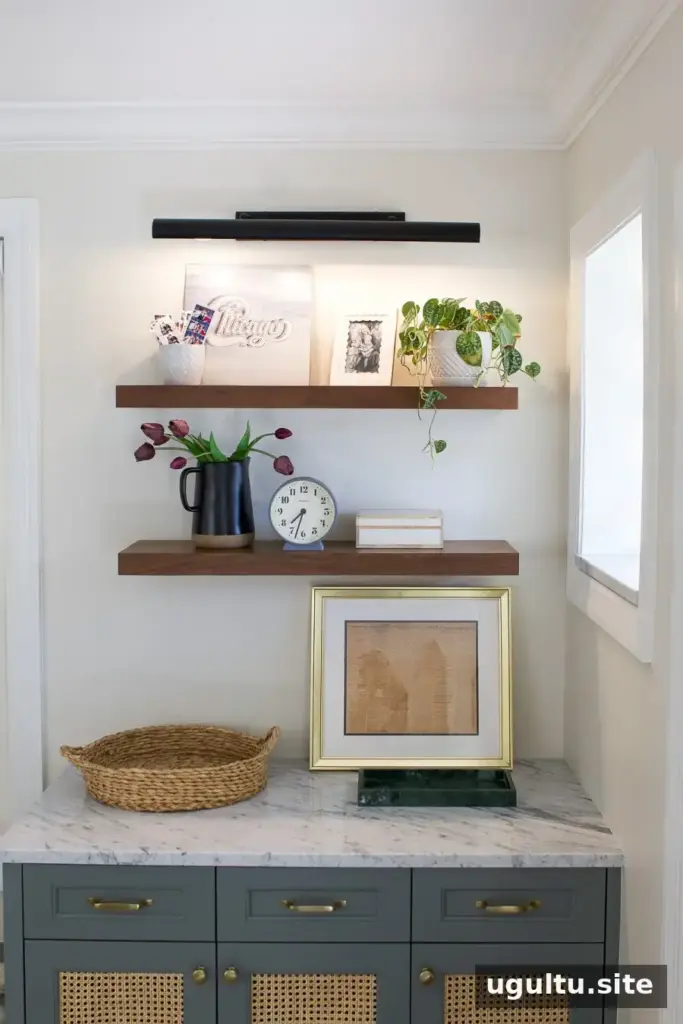
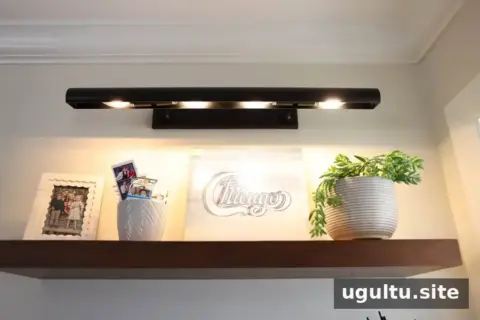
Lighting influences both the function and atmosphere of a room. Replacing an outdated fixture with a design that suits the space can make the overall look feel more intentional.
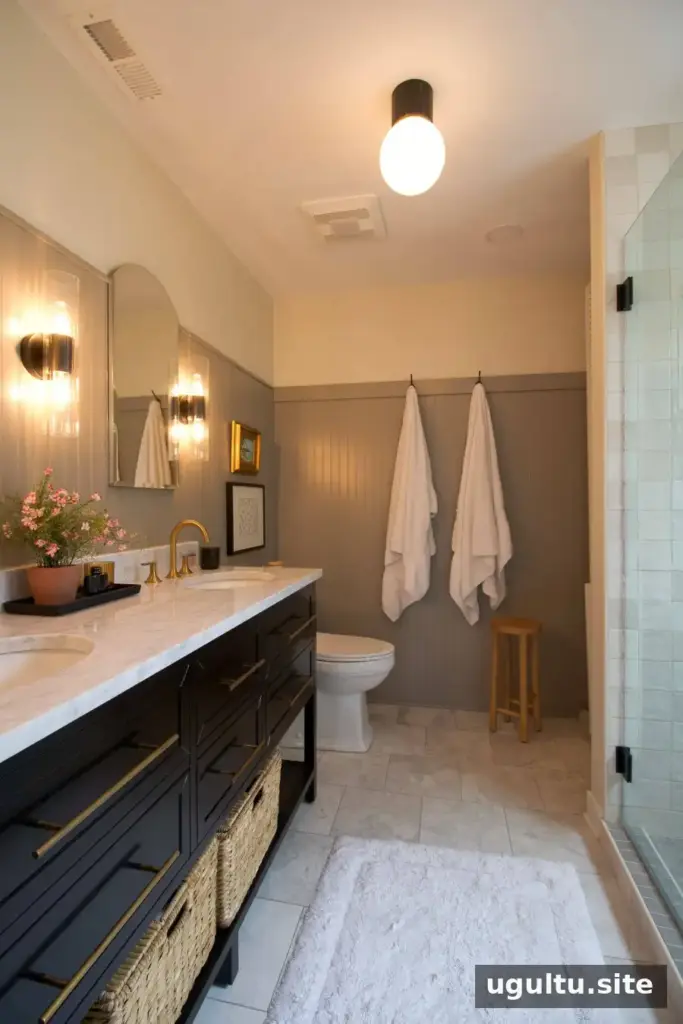
When choosing a fixture, consider its size, light output, and finish alongside the room’s existing decor. For a lower-cost refresh, add a table lamp or floor lamp rather than replacing every ceiling light.
Layering different light sources can make a room more comfortable to use. Combine general lighting with task lighting for reading or working, and accent lighting where you want to highlight a feature.
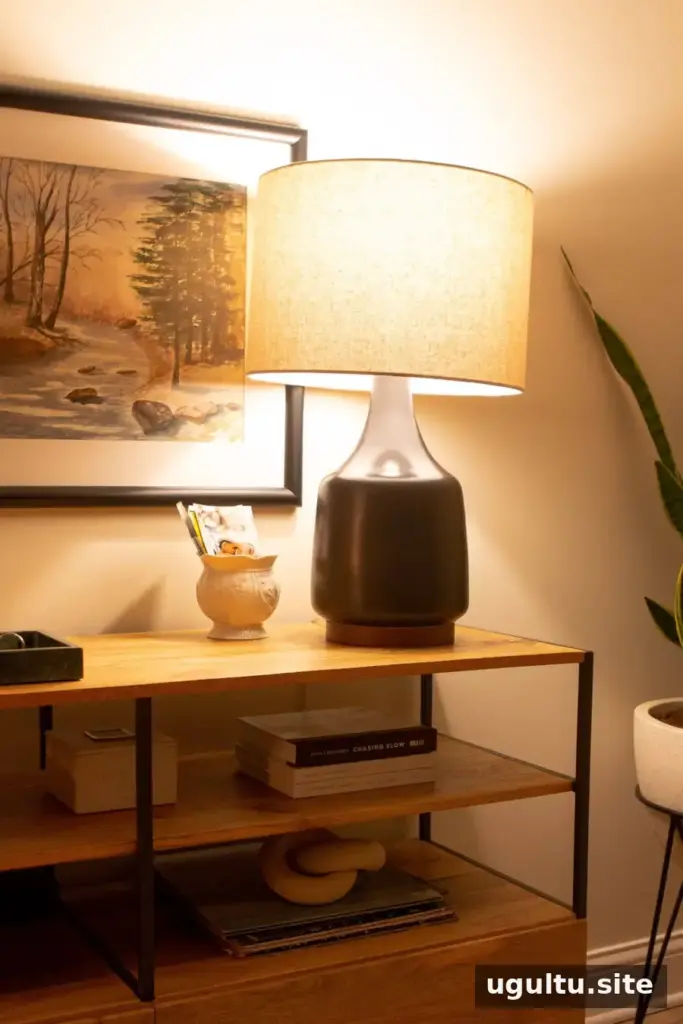
Warm bulbs around 2700K can create a softer, cozier feel. Dimmers offer more control over brightness, but check that the dimmer and bulbs are compatible. Electrical fixture or switch work should be handled safely and in line with local requirements.
Ideas to consider:
- Replace an outdated light fixture
- Add a table lamp, floor lamp, or wall sconce
- Use warm 2700K bulbs where appropriate
- Consider compatible dimmer controls
Choose Window Treatments That Finish a Room
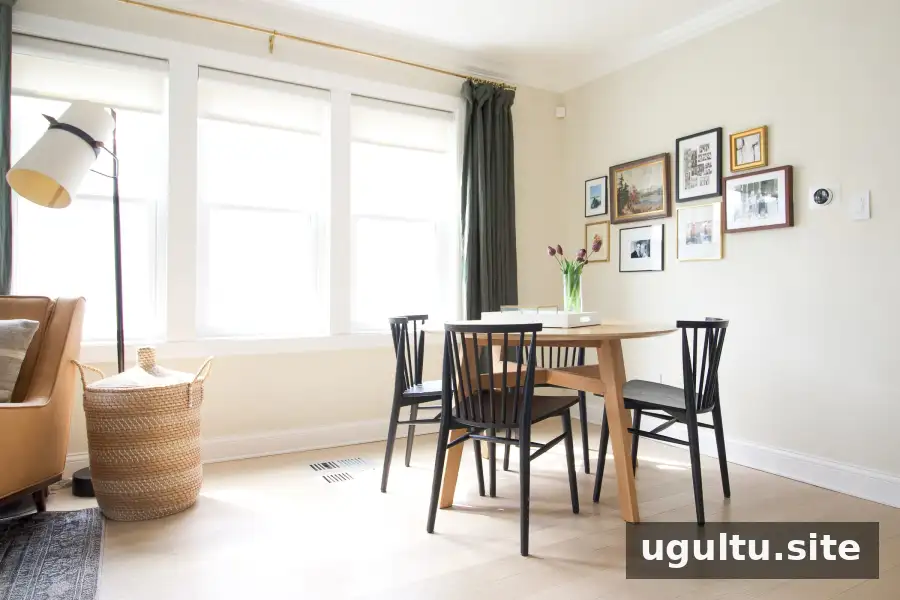
Curtains and blinds add softness, texture, and privacy. Treating every window at once can become expensive, so begin with a main living area or another room where the change will have the greatest effect.
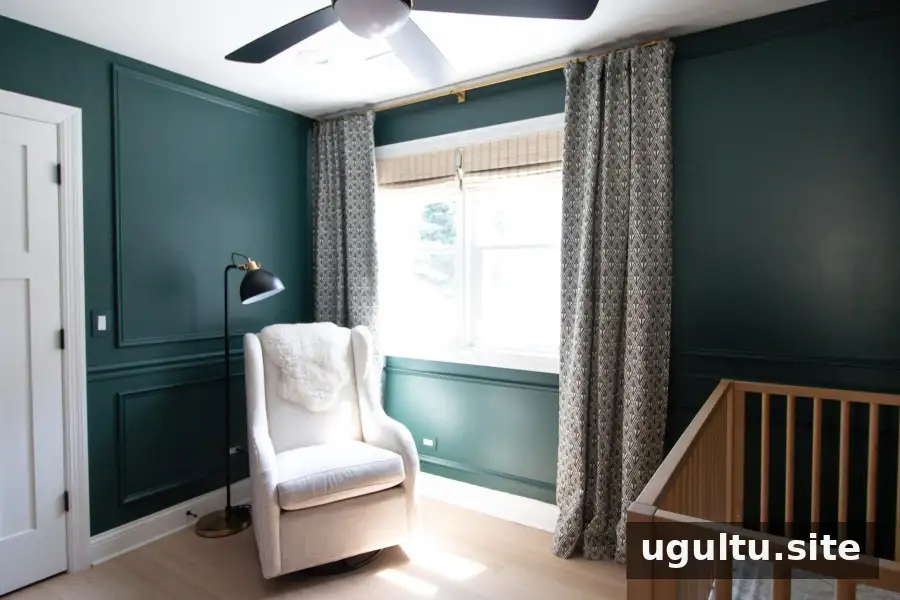
Mounting curtain rods higher and wider than the window frame can make windows appear larger and ceilings feel taller. Measure carefully before installation, and check the wall type so you use suitable fixings.
Woven blinds can bring texture to a room, while a well-chosen curtain rod helps the whole arrangement look deliberate. Consider curtain length and fabric based on the room’s light, privacy, and cleaning needs.
Ideas to consider:
- Hang curtains high and wide
- Upgrade curtain rods and finials
- Choose fabric and curtain length for the room
- Start with the windows that matter most
Style Your Home for a More Expensive Look
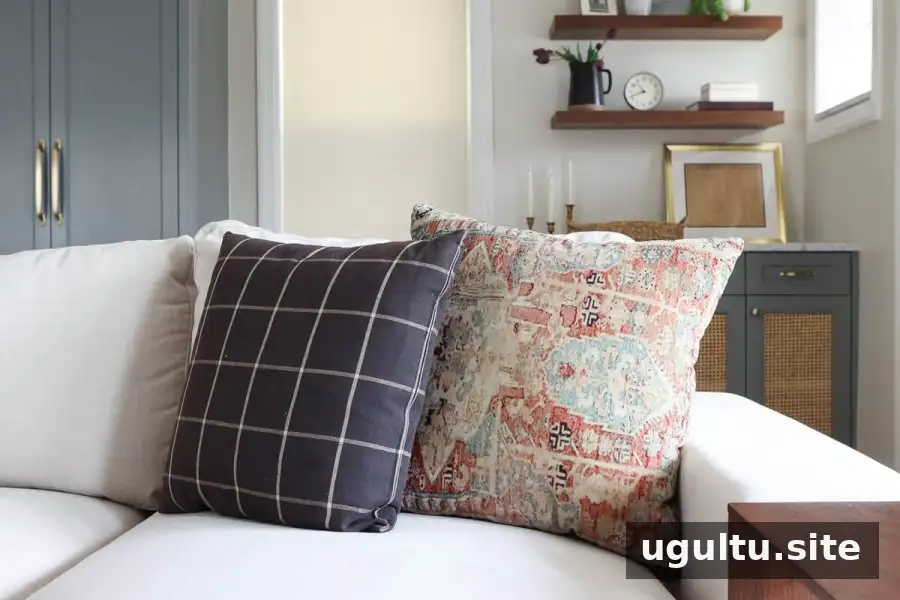
Styling changes can improve a room without permanent alterations. They are useful in rentals, too, because many can be reversed when it is time to move.
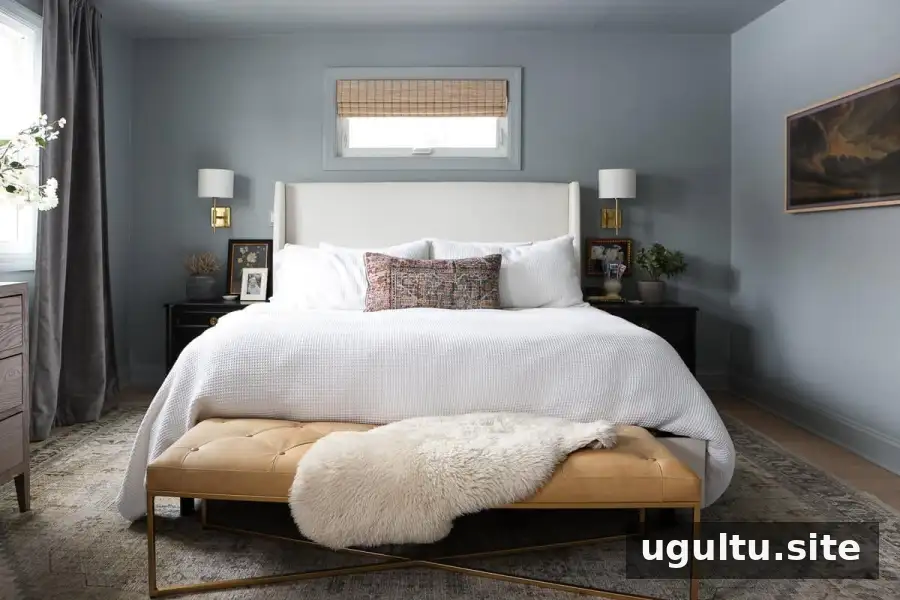
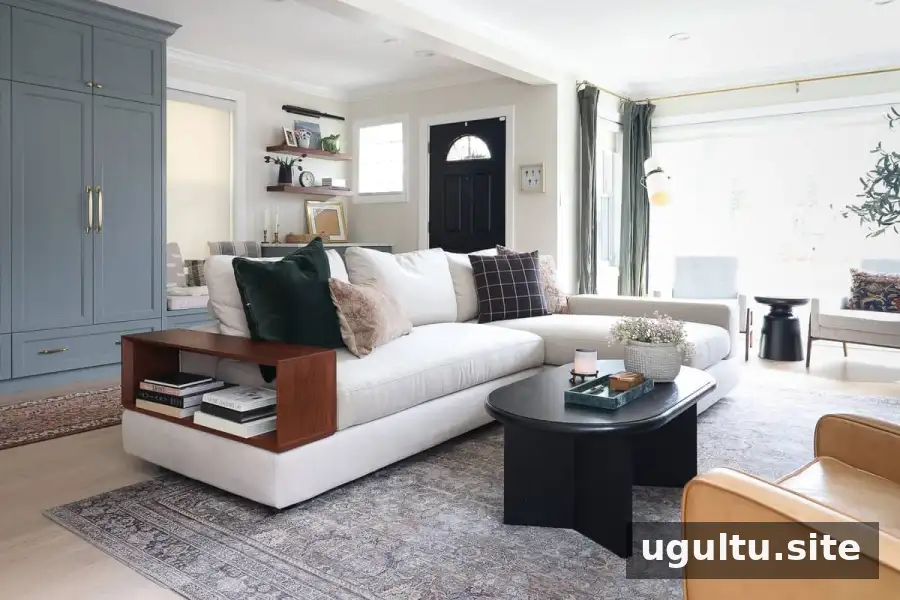
Pay attention to scale. A rug that is too small can make a seating area feel disconnected, while undersized decor may disappear against larger furniture. Measure the space and arrange furniture before choosing a rug or accessories.
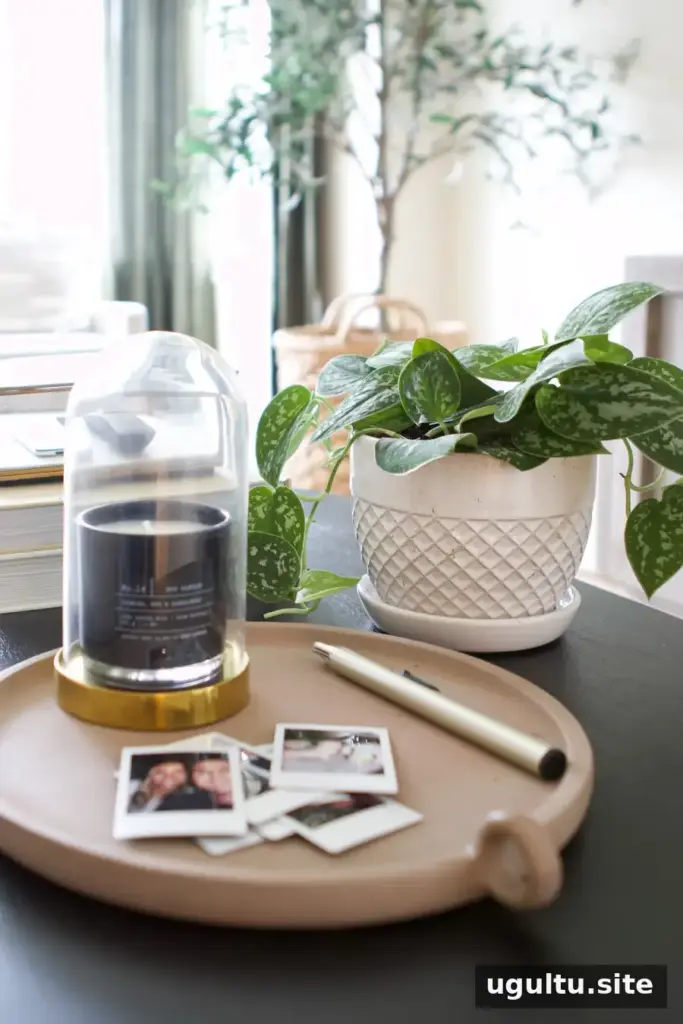
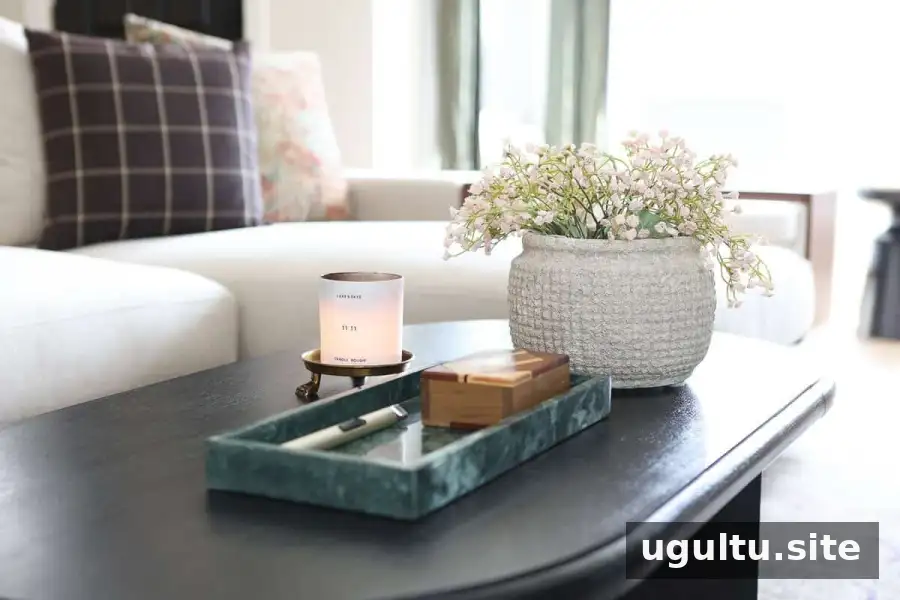
Keep surfaces purposeful by grouping a few objects on a coffee table, styling built-ins with varied heights, or choosing pillows that complement a sofa or bed. Editing what is already there can be as effective as buying more decor.
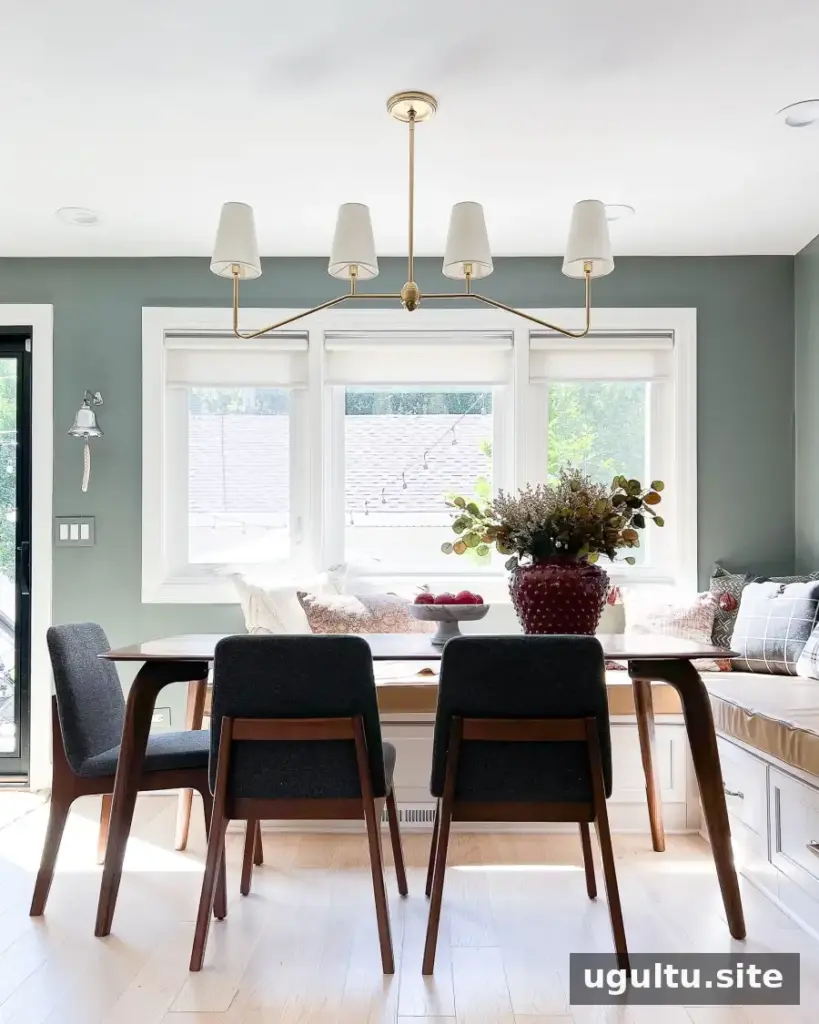
Mixing wood tones and metal finishes can make a room feel layered rather than overly matched. Repeat a material or finish in more than one place to create a sense of balance.
Secondhand finds can add character alongside newer pieces. Check used items for condition and dimensions before purchasing, and use greenery where it suits the room and available light.

Ideas to consider:
- Choose an appropriately sized area rug
- Balance furniture and decor scale
- Style shelves, built-ins, and tables with restraint
- Mix wood tones and metal finishes thoughtfully
- Use secondhand pieces or plants to add character
- Choose removable updates for a rental
Final Thoughts on Cheap Home Upgrades
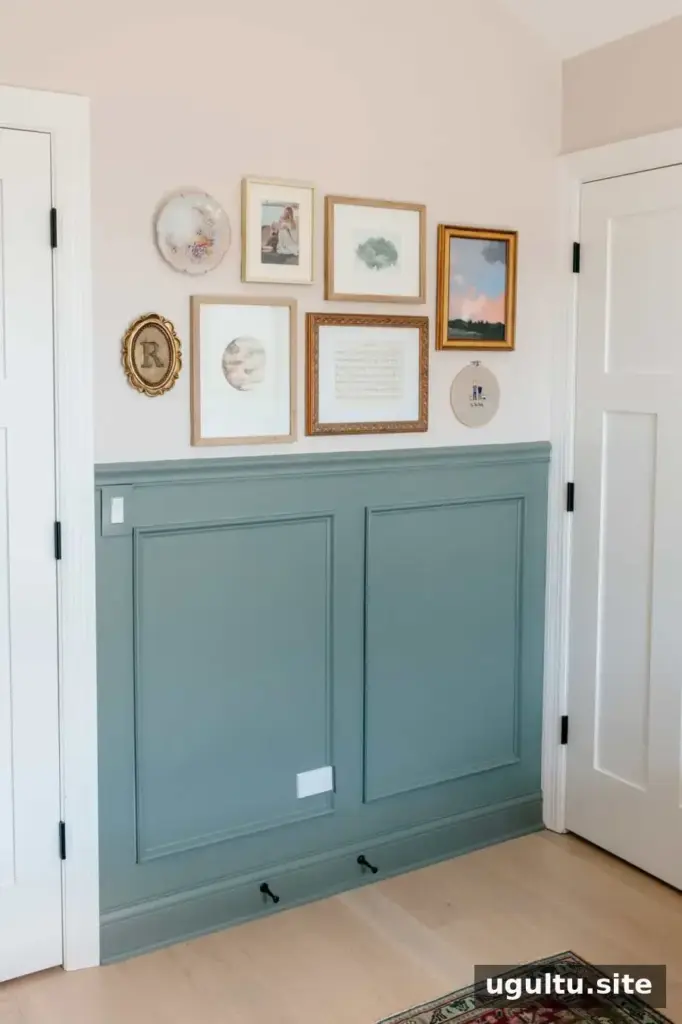
Cheap home upgrades can help a house feel more polished without requiring a major renovation. Start with one project, compare material costs, and choose an update that suits your home and your budget. Whether you begin with paint, lighting, hardware, window treatments, or styling, thoughtful small changes can make a noticeable difference over time.