admin
A first-time homeowner checklist can make the first month in a new house easier to manage. Instead of trying to unpack, clean, and plan every project at once, use this guide to prioritize safety, essential maintenance, and small repairs over your first 30 days.
The most useful first steps are often the practical ones: securing exterior doors, testing safety alarms, locating utility shut-offs, and checking for leaks. Once those basics are handled, you can clean thoroughly, note repairs, and learn how your home works before committing to major changes.
First-Time Homeowner Checklist: Quick Overview
Use this overview to keep track of the main tasks. You can adjust the order to suit your home, schedule, and any urgent issues identified during your inspection.
- Change or rekey exterior door locks.
- Test smoke and carbon monoxide detectors.
- Find the water, gas, and electrical shut-offs.
- Replace HVAC filters and check the system.
- Transfer utilities and update your address.
- Clean cabinets, drawers, surfaces, and appliances.
- Clean refrigerator coils, the range hood filter, and bathroom exhaust fans as directed by their manuals.
- Vacuum and mop floors, including accessible corners and baseboards.
- Arrange carpet cleaning or pest control if needed.
- Look for leaks, water damage, wall damage, and damaged caulk.
- Check windows, doors, handles, fixtures, and hardware.
- Keep a list of repairs, future projects, and important home information.
- Give yourself time to settle in before starting major renovations.
Week 1: Safety and Essential Tasks
Start with tasks that help you secure the home and respond more confidently if something goes wrong. If you discover a serious safety concern, contact a qualified professional rather than attempting a repair beyond your experience.
Change or Rekey the Locks
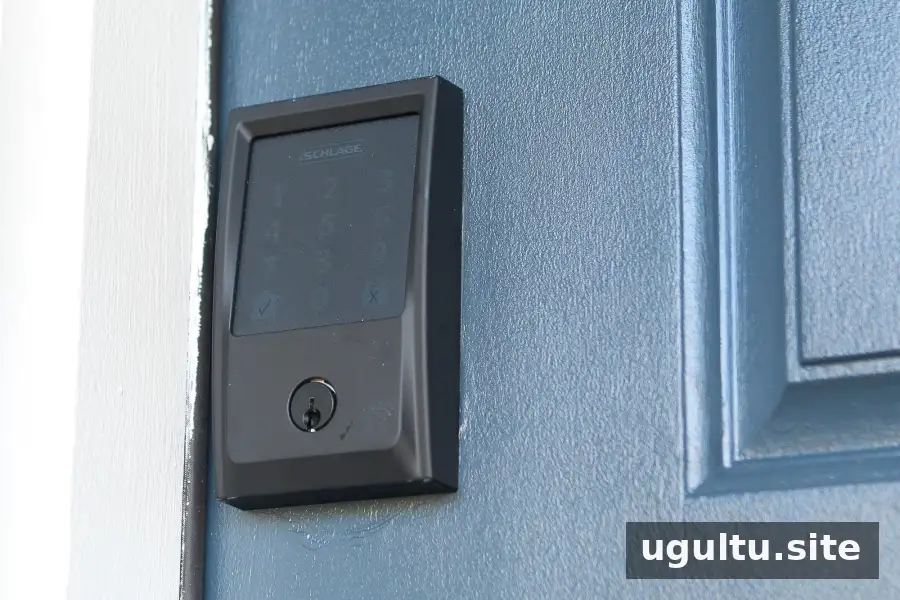
Changing or rekeying exterior locks helps ensure that old keys no longer provide access. Consider every exterior entry point, including garage doors and any side or back doors. If you choose a keypad lock, keep its access code private and learn how to use its backup entry method.
Test Smoke and Carbon Monoxide Detectors
Test each smoke and carbon monoxide detector, replace batteries where needed, and follow the manufacturer’s instructions for installation and maintenance. Check that alarms are present in the appropriate locations for your home. If a detector is expired, damaged, or does not work after troubleshooting, replace it promptly.
Locate Water, Gas, and Electrical Shut-Offs
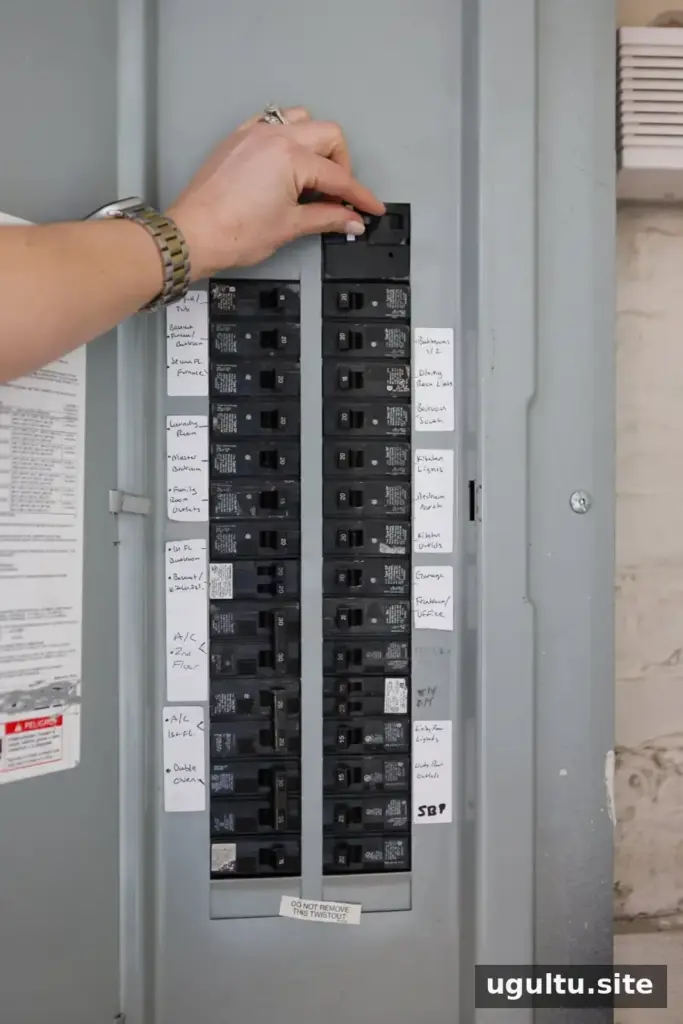
Find the main water shut-off valve, the electrical panel, and the gas shut-off location if your home uses gas. Make sure household members know where they are. Do not operate a gas shut-off or electrical equipment if you are unsure how to do so safely; contact the utility provider or a qualified professional for guidance.
Replace HVAC Filters and Check the System
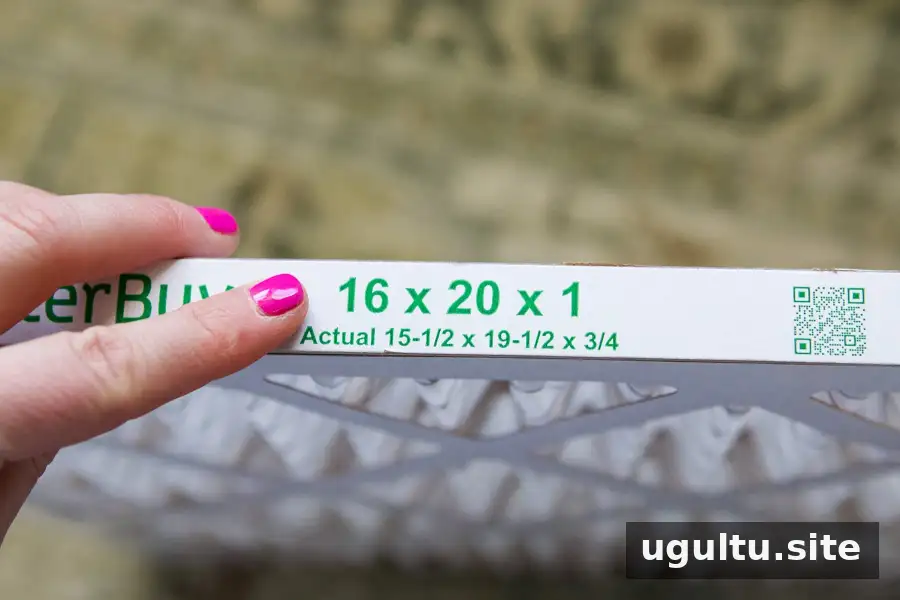
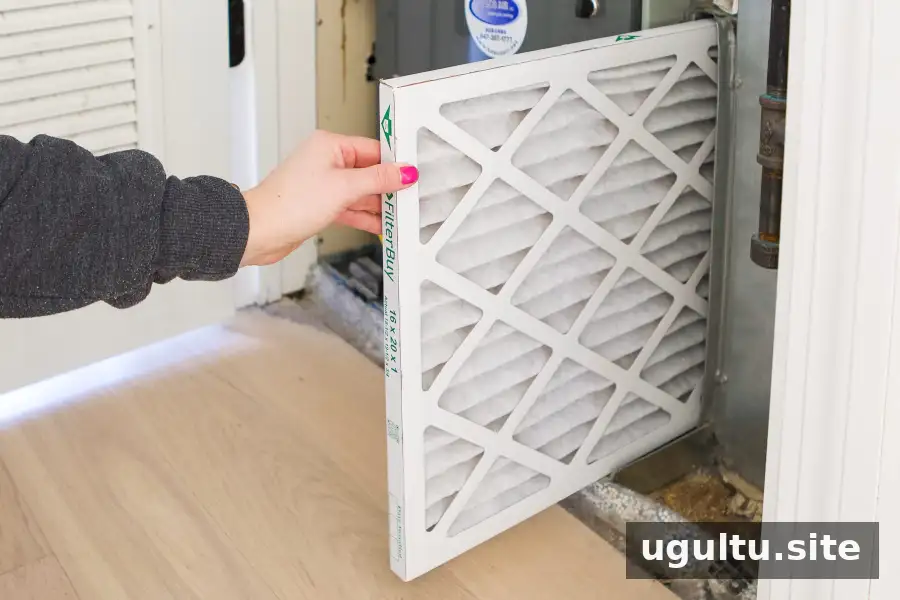
Check the HVAC filter and replace it if its condition or replacement date is unknown. Use the correct size and type for your system, and follow the equipment manufacturer’s instructions. Note the filter size and a reminder for the next check so routine maintenance is easier to track.
Look for Leaks and Water Damage
Check under sinks, around toilets, near water-using appliances, and along ceilings or walls for dampness, stains, or musty odors. Address active leaks quickly: shut off water if it is safe to do so and contact a plumber or other appropriate professional. Early attention may help limit damage.
Transfer Utilities and Update Your Address
Confirm that essential utilities are active and transferred into your name, including electricity, gas, water, and any other services used at the property. Update your address with banks, insurers, government agencies, subscriptions, and important accounts. A checklist of organizations to contact can help prevent mail or account details from being overlooked.
Week 2: Deep Clean and Reset
Once urgent safety and utility tasks are complete, clean the home before every room is fully unpacked. Even if the property was cleaned before you arrived, a fresh pass lets you prepare high-use surfaces and appliances for your household.
Clean Cabinets, Drawers, and Surfaces
Wipe kitchen and bathroom cabinets, drawers, shelves, and counters before filling them. Use cleaning products suitable for each surface and follow label directions. Avoid mixing cleaning products, particularly bleach with ammonia or acids.
Clean the Appliances
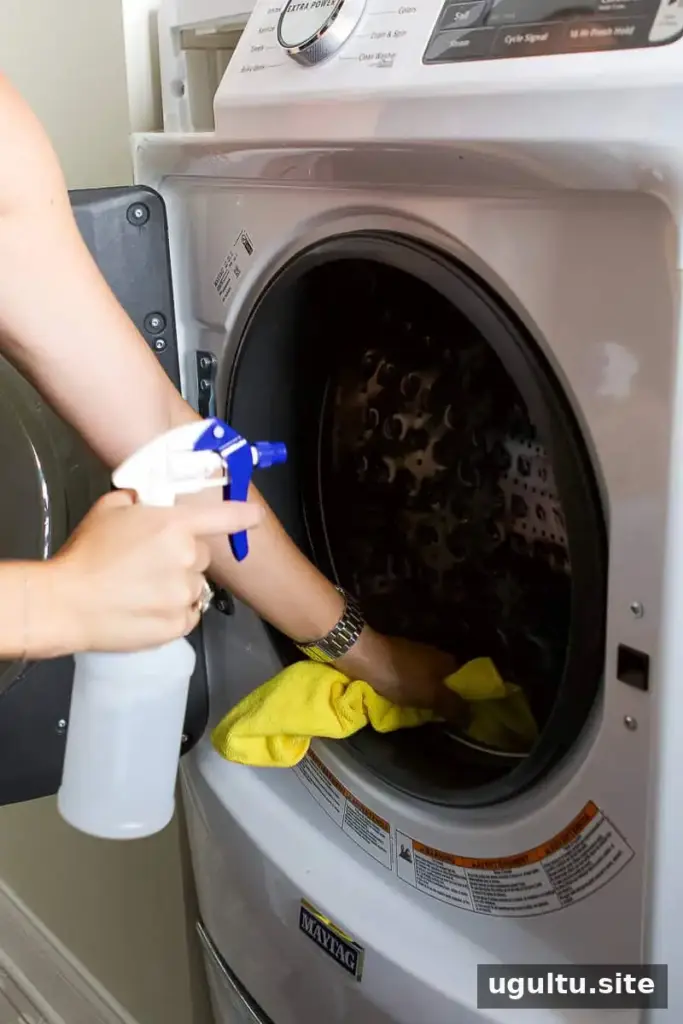
Review the manufacturer’s instructions before cleaning appliances, since finishes and components can require specific products or methods. Prioritize the appliances you use most:
- Clean the dishwasher and its filter, if accessible.
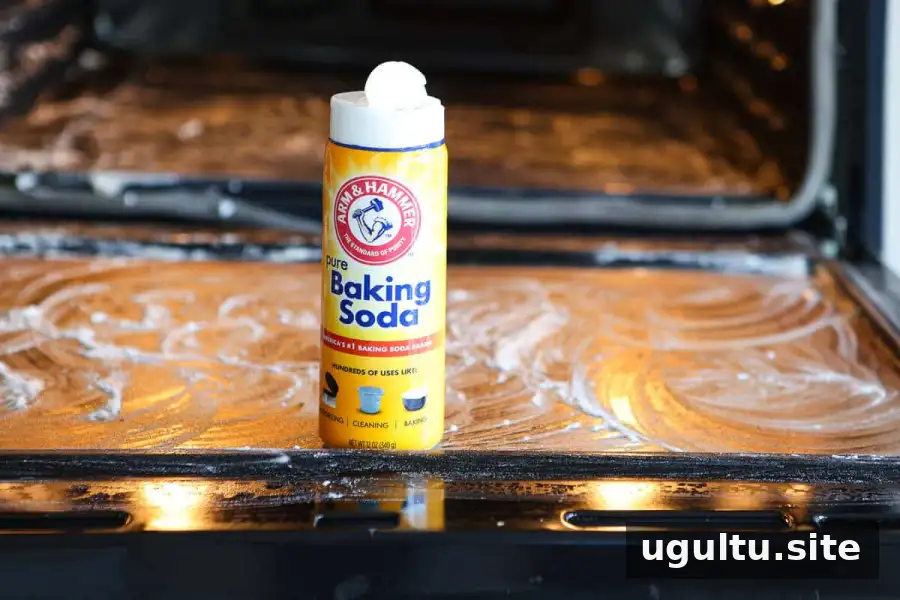
- Clean the oven and stovetop using products suited to their surfaces.
- Wash the refrigerator and freezer interior before storing food.
- Clean the washing machine according to its maintenance instructions.
- Check the dryer vent and arrange cleaning if it is obstructed or due for service.
Clean Refrigerator Coils
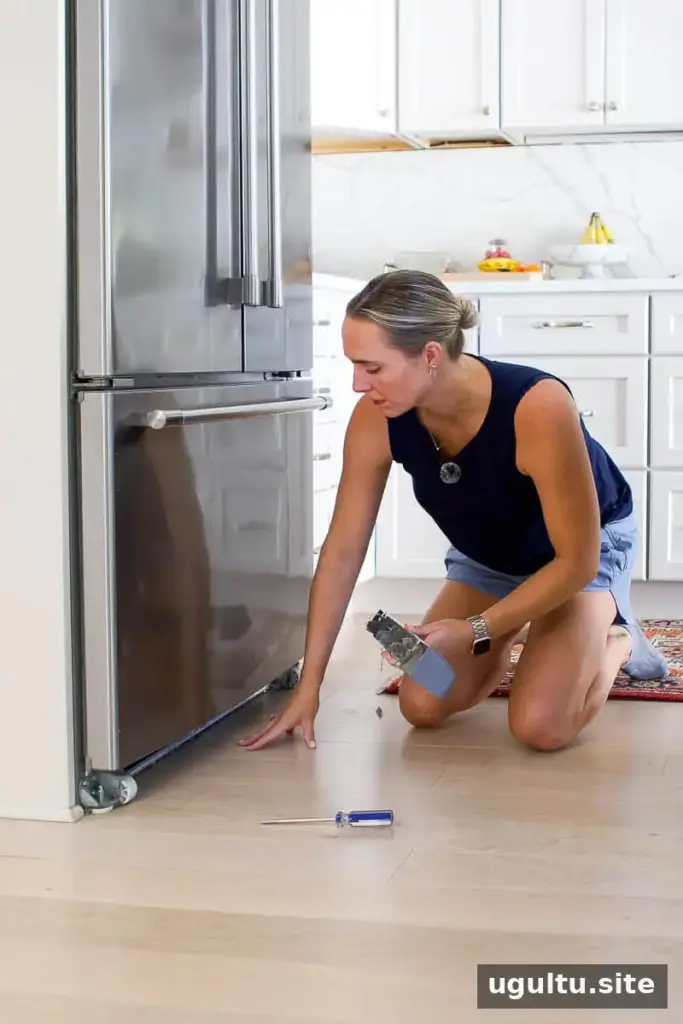
Dust around refrigerator coils can interfere with normal operation. If the coils are accessible, clean them according to the appliance manual and disconnect power first when the manufacturer recommends it. Avoid moving a heavy refrigerator alone or disturbing water and electrical connections.
Clean the Range Hood Filter
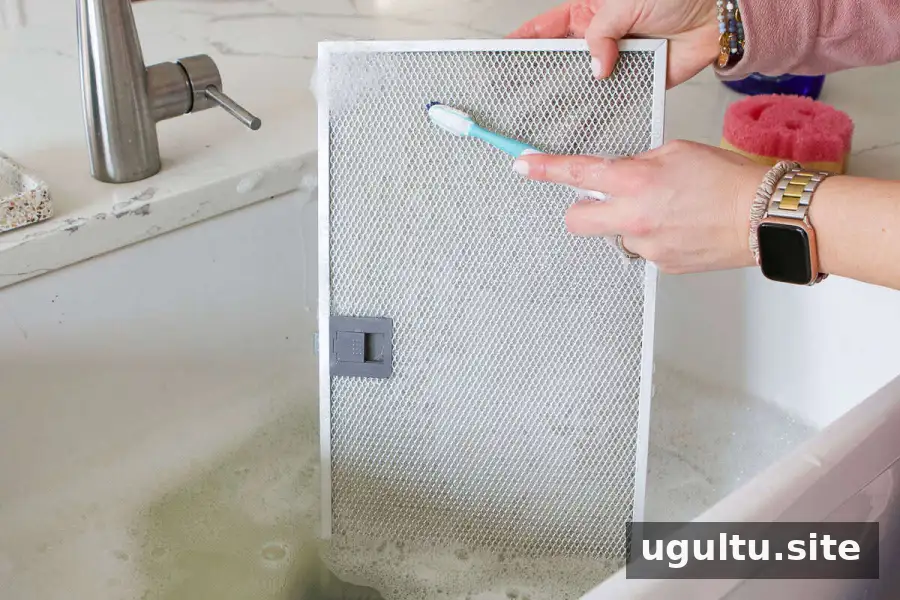
Grease and dust can build up on a range hood filter. Check the manual to find out whether the filter is washable or should be replaced, and let it dry completely before reinstalling it. Regular cleaning helps the hood work as intended.
Clean Bathroom Exhaust Fans
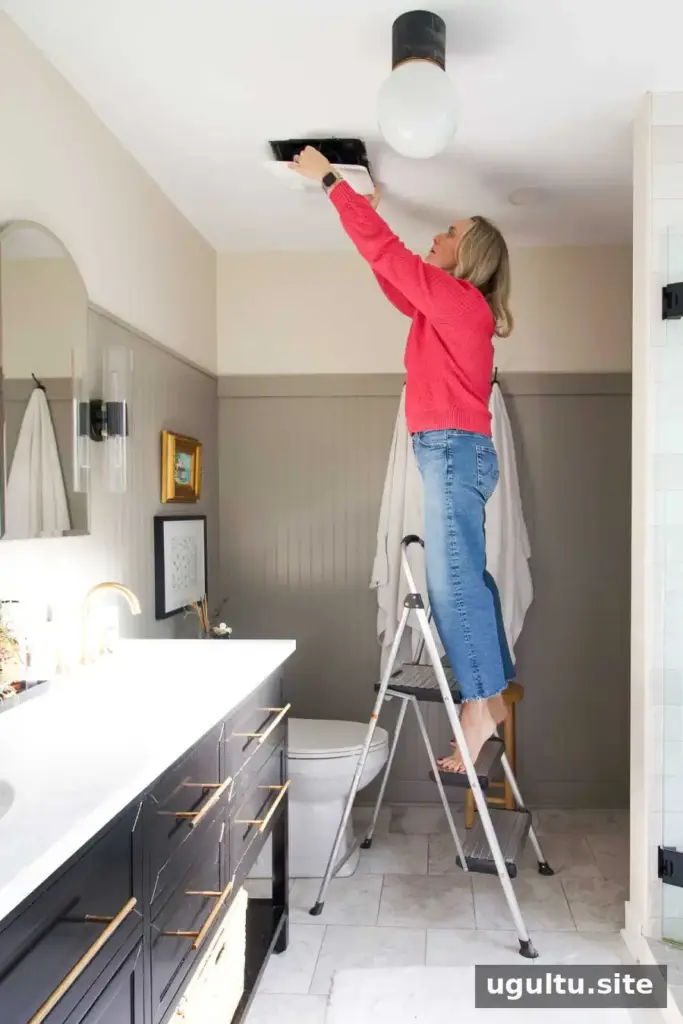
Dust can reduce airflow through a bathroom exhaust fan. Turn the fan off before cleaning, and follow the manufacturer’s directions. If the fan is noisy, damaged, or does not appear to remove moisture, consider having it inspected.
Vacuum, Mop, and Arrange Optional Services
Vacuum and mop throughout the home, paying attention to corners, baseboards, and areas that are accessible beneath appliances. If there is carpet, consider professional cleaning before furniture is fully arranged. Pest control may also be appropriate if you find signs of pests or have a specific concern; choose a qualified provider and follow all preparation and safety instructions.

A clean starting point can make unpacking more comfortable. Work one room at a time, and do not feel that the entire home has to be finished in a single day.
Week 3: Inspect the Home and Handle Small Fixes
After you have spent some time in the home, small issues may become easier to spot. Write them down and handle straightforward repairs only when you have the right tools and skills. Get professional help for work involving electrical, structural, plumbing, or other safety concerns.
Patch Nail Holes and Minor Wall Damage

Small nail holes and scuffs can often be repaired with suitable filler and touch-up paint. Check whether you have the correct paint color and finish before starting. Larger holes or damage may need a different repair method, so assess the area before buying materials.
Check Caulk Around Wet Areas
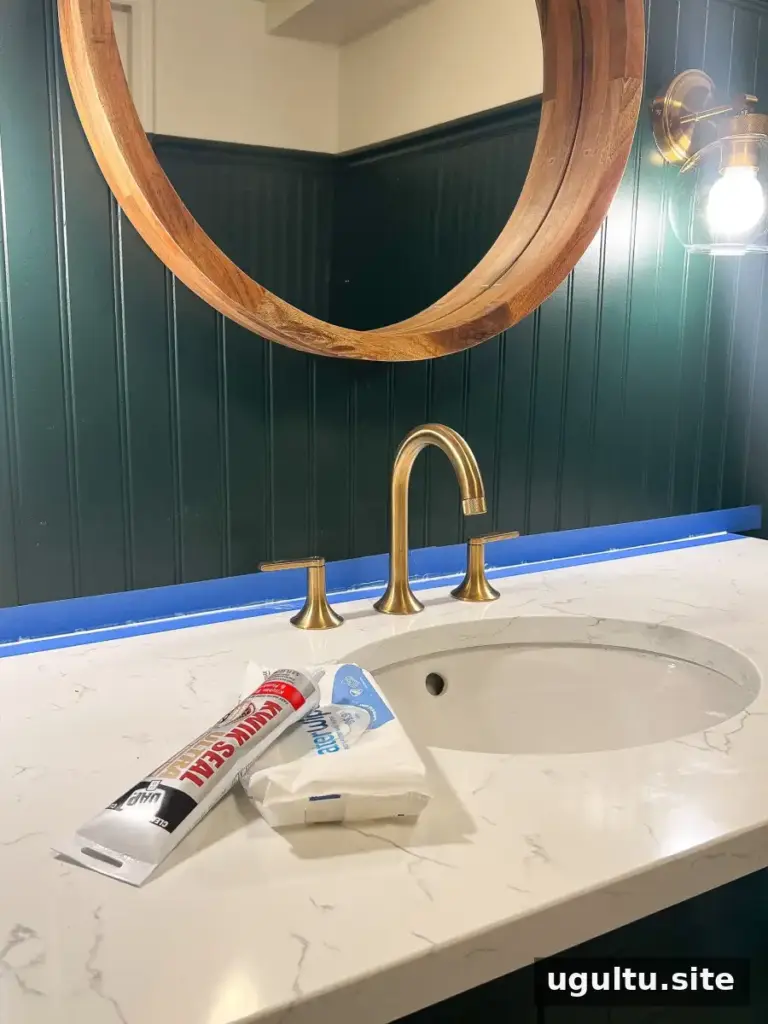
Inspect caulk around sinks, tubs, showers, and backsplashes. Cracks, gaps, or areas where the seal has pulled away may allow water to reach surfaces behind it. Repair or replace caulk as appropriate, and make sure the area is clean and dry before applying a new bead. If you suspect hidden water damage, investigate the cause before covering it.
Test Doors and Windows

Open and close doors and windows to check that they latch and operate smoothly. Look for obvious gaps, damaged seals, or noticeable drafts. Weatherstripping may help with minor gaps, but persistent problems can point to a fit or repair issue that needs further assessment.
Tighten Loose Hardware and Fixtures
Check cabinet pulls, door handles, towel bars, and other accessible hardware for looseness. Tighten carefully with the appropriate tool, taking care not to overtighten or damage the surface. If a light fixture is loose or shows signs of an electrical issue, leave the repair to a qualified electrician.
Keep a Running Repair List
Record items that need attention, along with their location, urgency, and any next step. Separating safety or active water issues from cosmetic improvements helps you prioritize. A written list also makes it easier to plan spending and avoid trying to fix everything at once.
Small checks during this week can help you understand the home’s condition and identify which issues deserve prompt attention.
Week 4: Plan Ahead Without Rushing
By the fourth week, the urgent tasks may be behind you and everyday routines may be taking shape. Use this time to observe how each space works before making expensive or permanent decisions.
Notice How You Use Each Space

Pay attention to what feels convenient, what creates bottlenecks, and where storage or lighting is lacking. Keep notes as you go about your day. You do not have to solve every inconvenience immediately; a little observation can help you choose more practical improvements later.
Make a List of Future Projects
Collect ideas in one place and group them by urgency, cost, or room. Possible projects might include:
- Changes to the layout.
- Storage improvements.
- Cosmetic updates.
- Larger renovation plans.
Before committing to a project, consider how long you have lived in the space, your budget, and whether the change affects essential systems or requires permits. Getting estimates from qualified professionals can help you plan realistically.
Organize Important Home Information

Keep useful home details together in a secure place, such as:
- Paint colors and finishes.
- Appliance makes and model numbers.
- Service provider contact details.
- Receipts, warranties, and maintenance records.
A folder or digital record can save time when an appliance needs service or a maintenance task comes due. Store sensitive documents securely and make sure household members know how to access essential information.
Give Yourself Time Before Major Decisions

It is tempting to start major renovations as soon as you move in, but living in the home for a while can clarify what actually needs to change. Waiting can also give you more time to compare options, set a budget, and understand how a project may affect daily routines.
What Can Wait After Moving In?
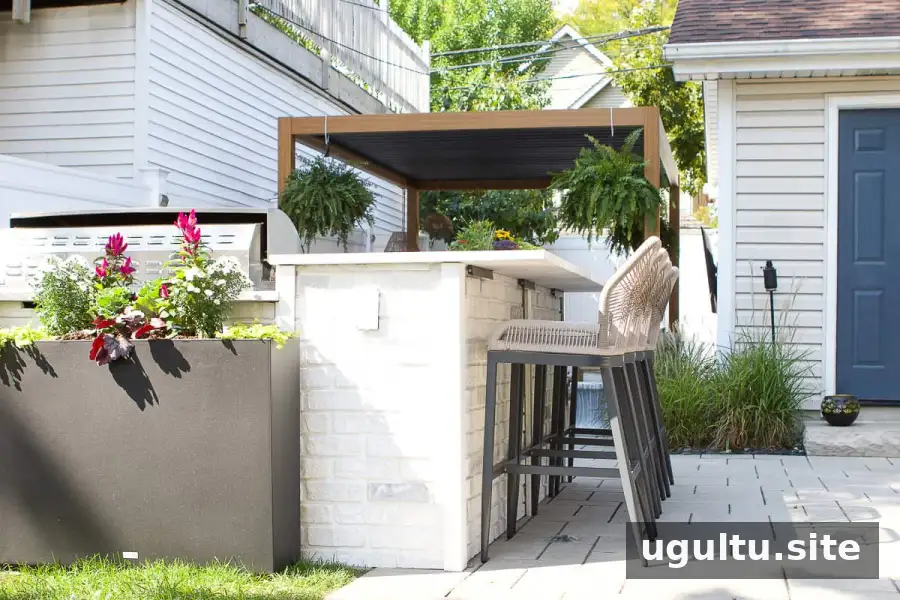
Not every idea needs immediate action. Unless there is a safety, maintenance, or functional reason to act, consider postponing:
- Major kitchen or bathroom renovations.
- Changes to the home’s layout.
- Expensive furniture purchases.
- Permanent design choices.
- Built-ins and custom work.
Take measurements, compare costs, and observe how you use each room first. This can help you avoid rushed purchases and choose updates that fit your needs.
Final Thoughts: Use This First-Time Homeowner Checklist at Your Pace

Moving into a new house brings plenty to think about, but you do not need to complete every task at once. This first-time homeowner checklist is a flexible guide: prioritize safety and active problems, then make time for cleaning, small repairs, and planning.

As you settle into your home, keep notes about maintenance, repairs, and future projects. Once the essentials are covered, leave room to enjoy your new neighborhood, meet neighbors, and establish routines. A thoughtful first month can help you care for your home without turning move-in into a race.