
 admin
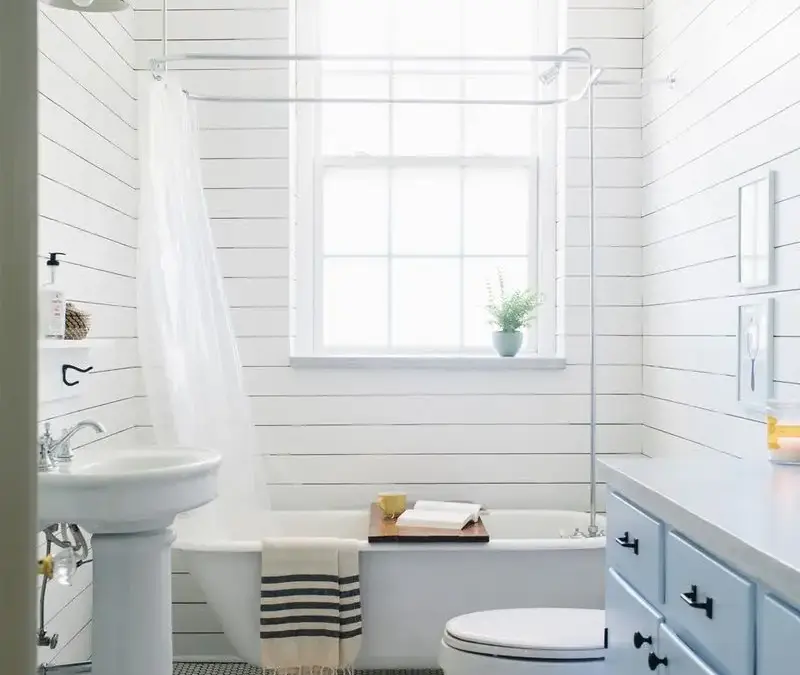
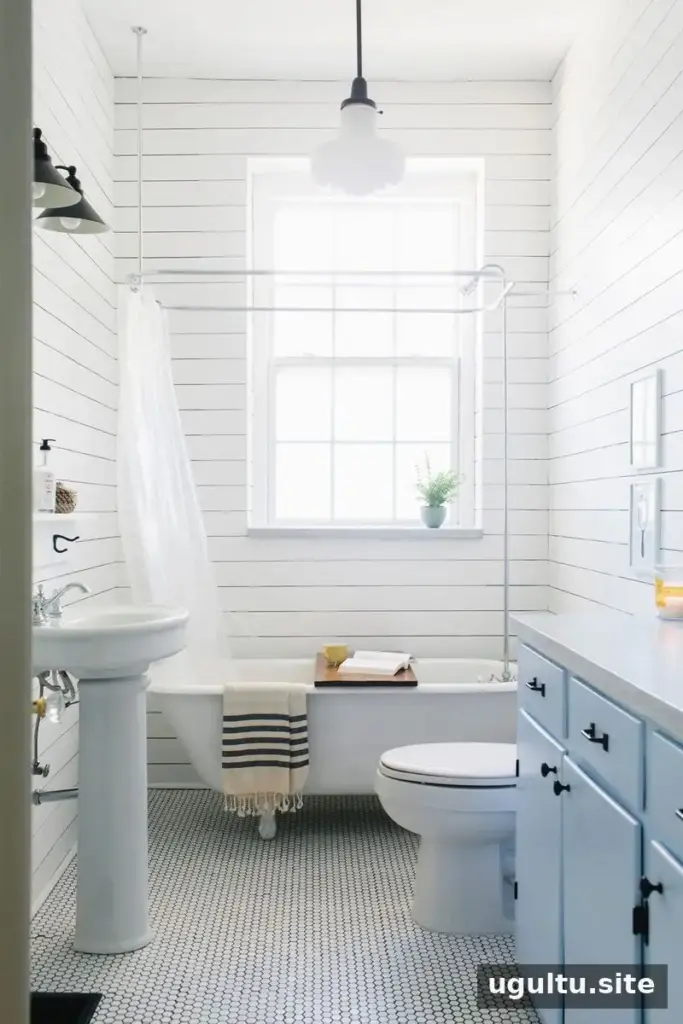
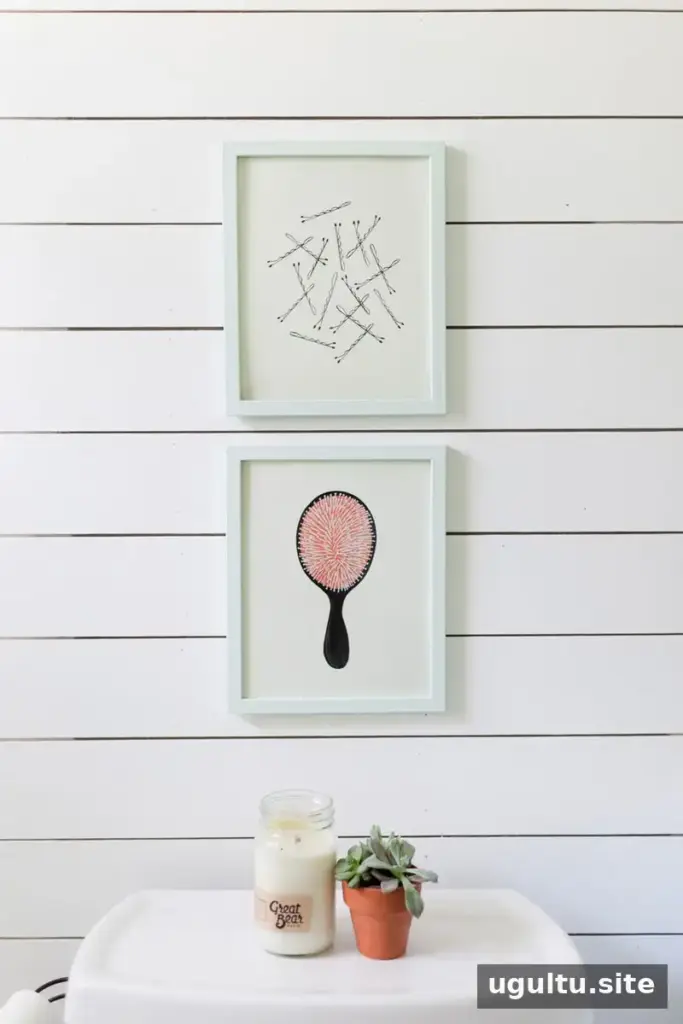
Hairbrush, art prints, and pottery; updated light fixtures, claw-foot tub fixtures, and pedestal sink.
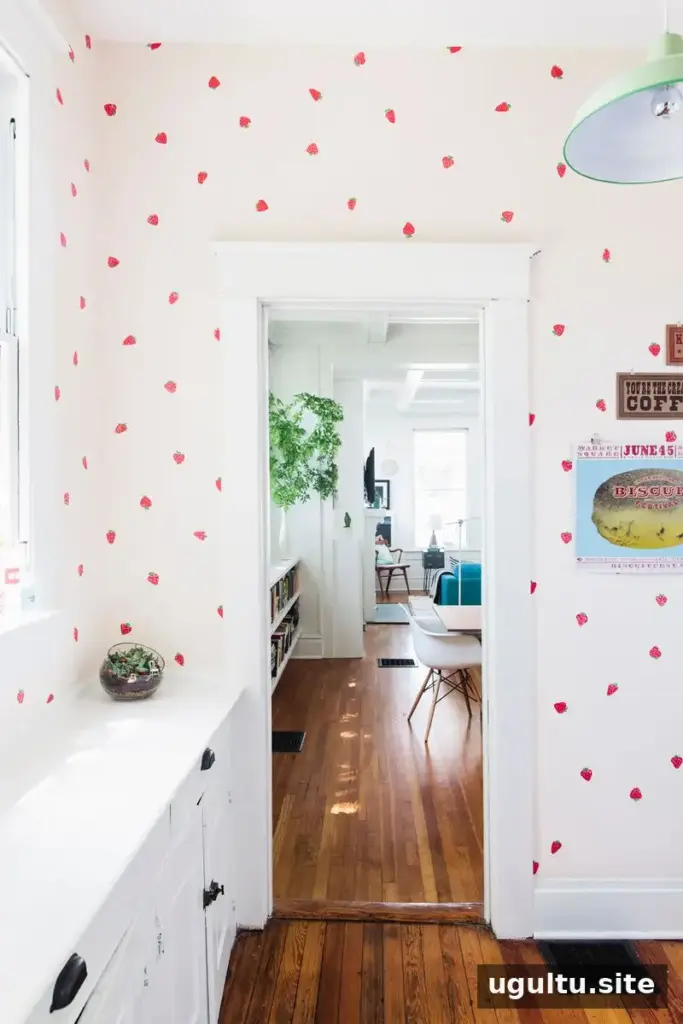
This Birmingham bungalow combines colorful details, original character, and practical do-it-yourself updates. Morgan Trinker and her husband, Jamie, bought the 1925 home in 2013 and gradually transformed its dark interiors into bright, welcoming rooms. Among the standout details are built-in bookshelves, a refreshed kitchen, and a laundry-room wall decorated with hand-stamped strawberries.
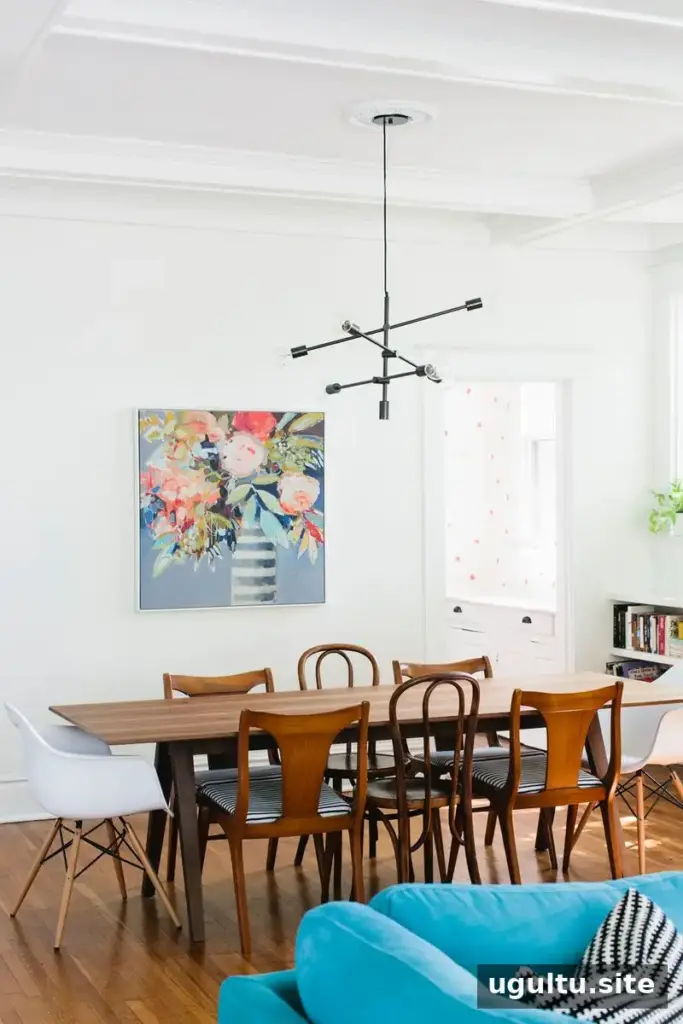
Vintage dining table and chairs, a contemporary light fixture, and a flower painting by Erin Gregory.
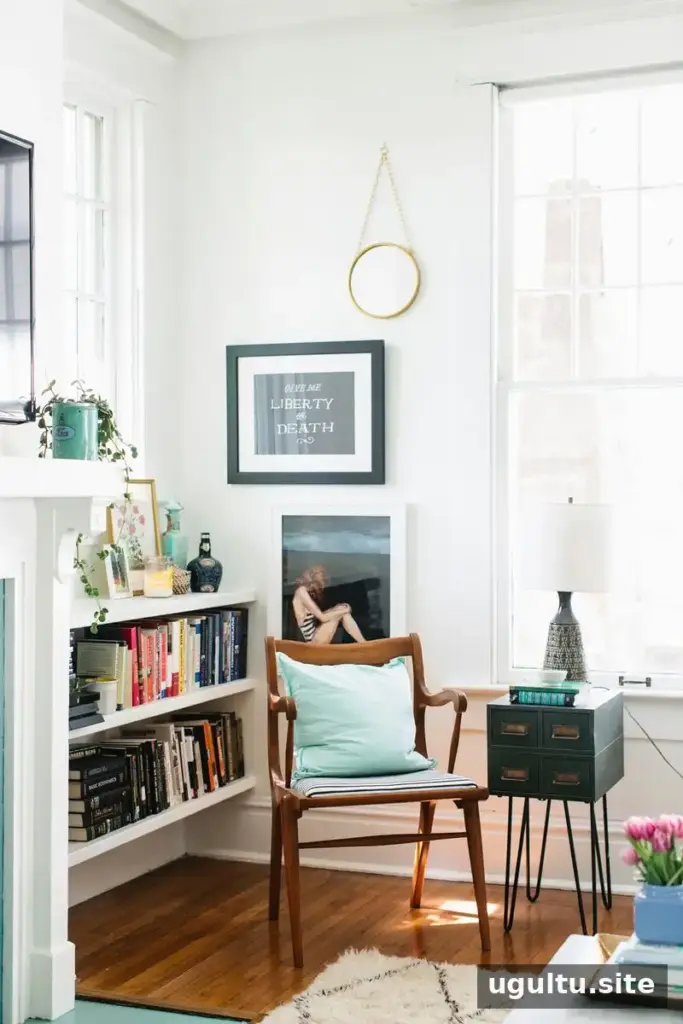
When Morgan and Jamie first viewed the house, its brown palette, dark walls, and later renovations did not reflect their taste. The abundance of windows, however, offered a clear opportunity: use paint and thoughtful design choices to make the rooms feel lighter while keeping the home’s Southern warmth. Morgan describes her preferred style as colorful and expressive, balanced by a welcoming, lived-in feel.

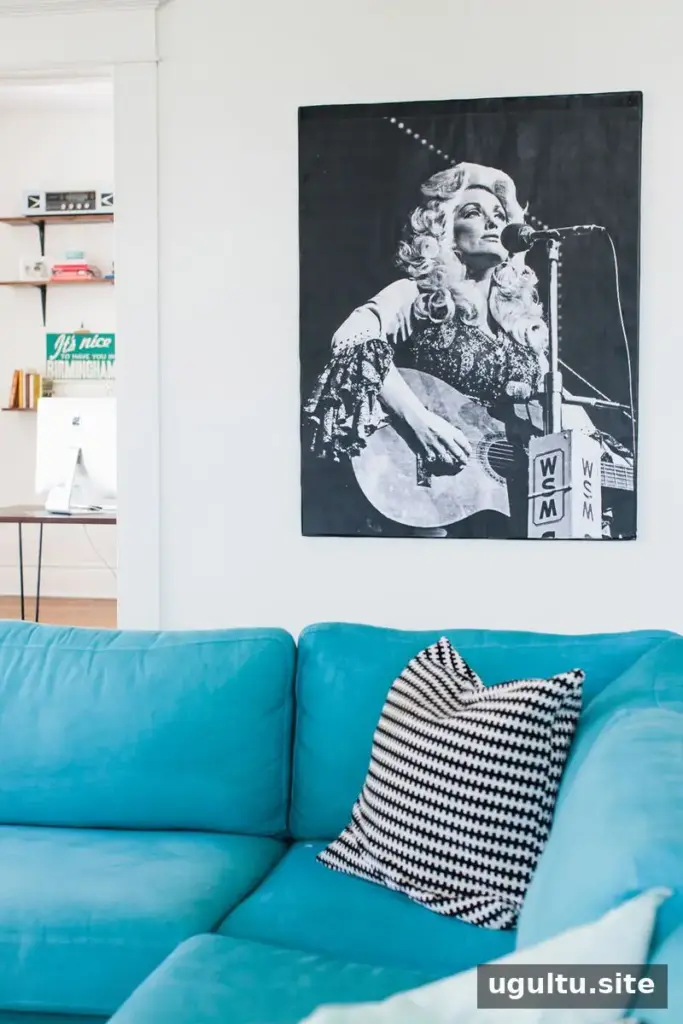
Living-room sofa with a dyed slipcover.
The main living room is Morgan’s favorite space. Its wall of windows looks onto trees and brings in golden evening light, making the room a comfortable place to read, enjoy coffee, and watch neighbors pass by. When arranging a similar space, consider how natural light changes throughout the day before choosing paint colors or deciding where to place seating.

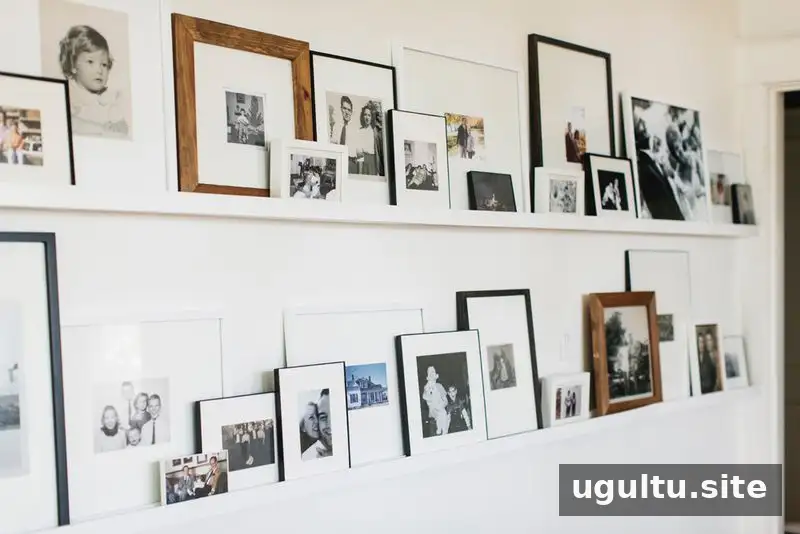
Over the first 18 months, Morgan painted nearly every surface, including walls, ceilings, beams, cabinets, trim, doors, and even some light fixtures. The changes made the interior feel brighter and more open. She also learned to use power tools and built bookshelves for the living and dining areas, followed by shelving for the office and kitchen and picture ledges for family photographs.
Built-ins can add storage and give a room a more tailored appearance. Before starting a DIY shelving project, measure the wall carefully, plan for what the shelves will hold, and use tools and fixings suited to the wall and expected weight.
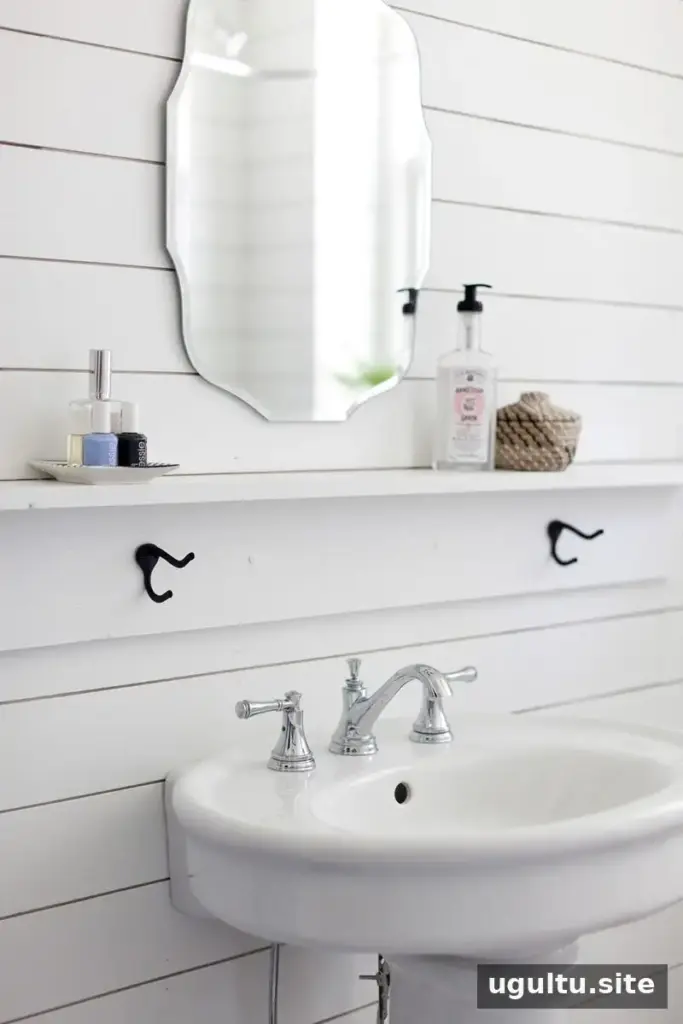
Beveled mirror.
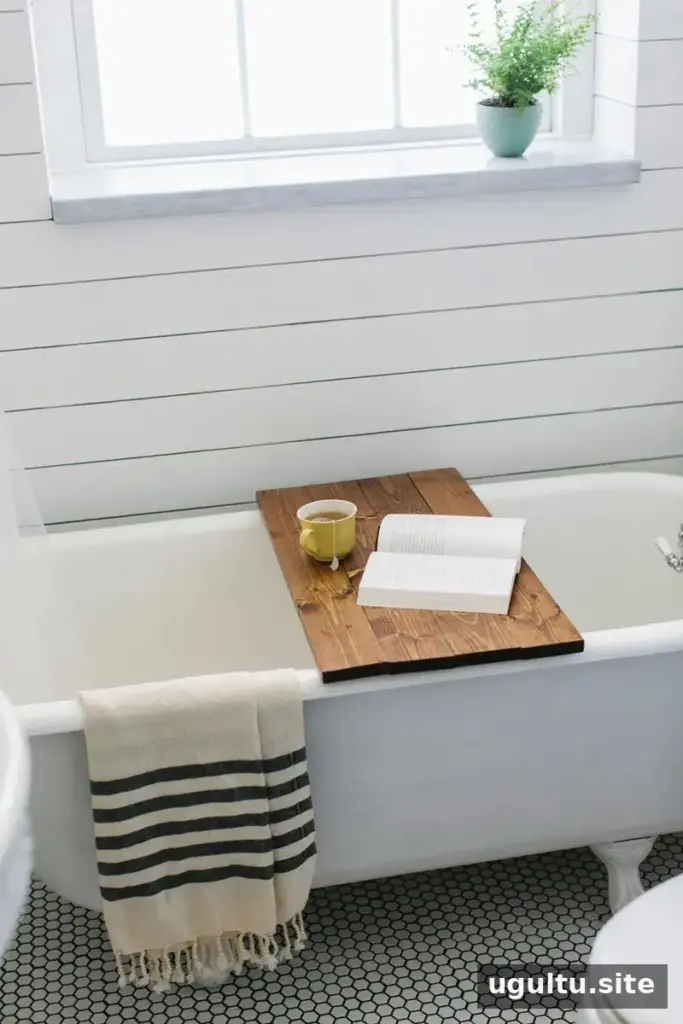
The bathroom had been remodeled in the 1990s, replacing much of its period character with beige tile, a walk-in shower, and contemporary fixtures. The renovation took the room back to its studs and introduced a classic mix of white hexagonal floor tile, shiplap walls, schoolhouse-style lighting, and a claw-foot tub found second-hand and refinished. A narrow ledge provides a place for small bottles and towels.
For a bathroom renovation, it helps to decide early which details are functional priorities and which are primarily decorative. A ledge can add useful display and towel space, while choosing durable, moisture-appropriate finishes is important in a room exposed to frequent humidity.
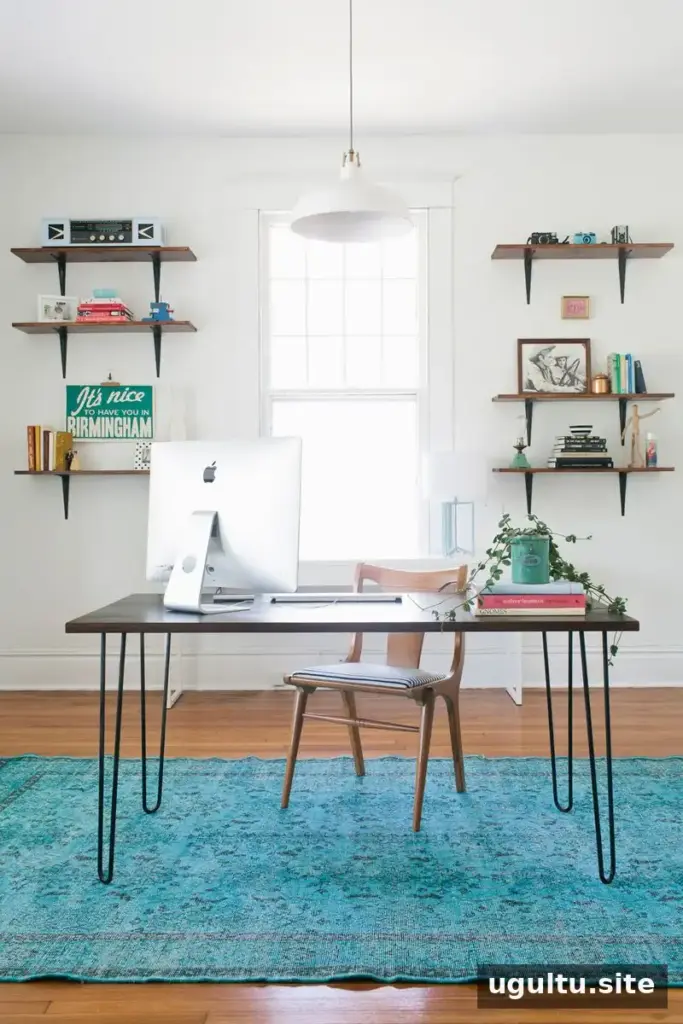
DIY desk made with a wood tabletop and hairpin legs; Birmingham print by Yellowhammer Creative.
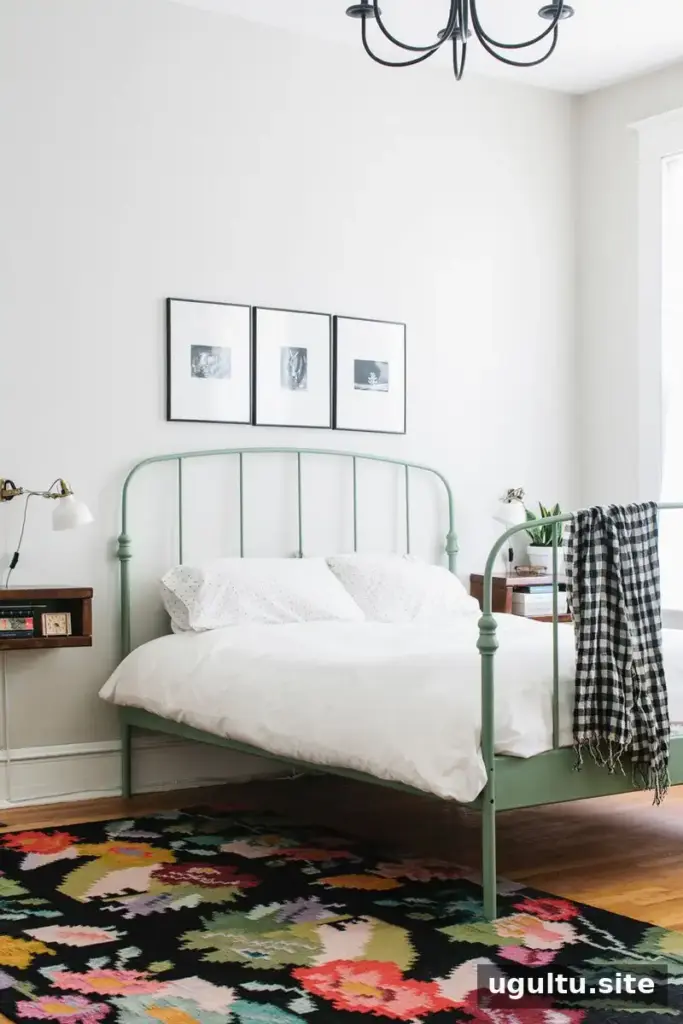
Green-painted bed, area rug, clamp-on bedside lamps, and DIY floating nightstand shelves.
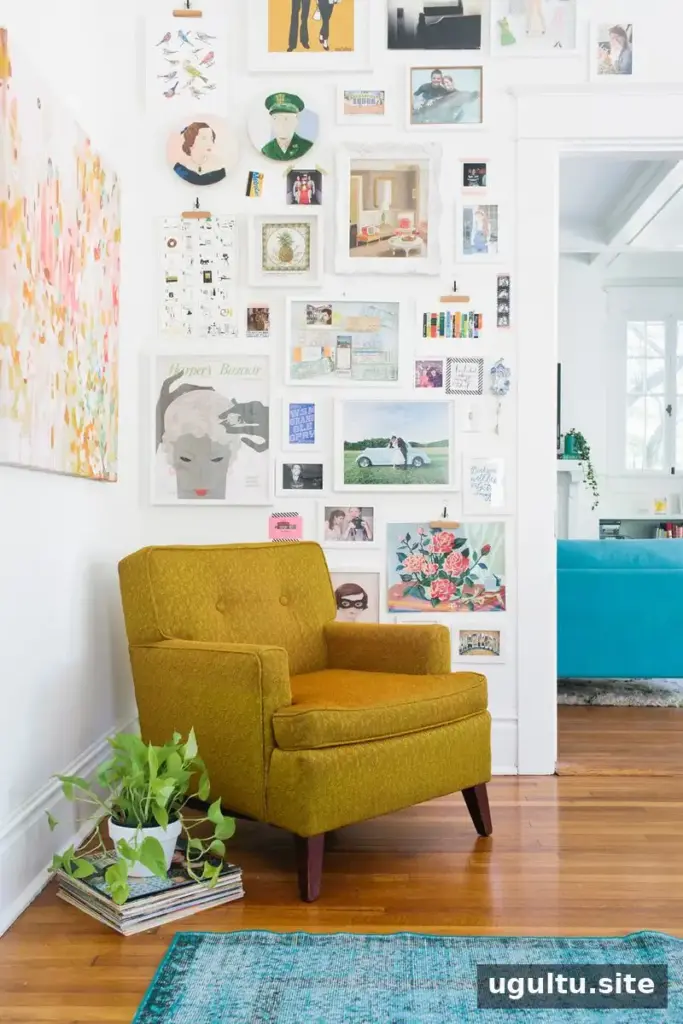
Working with color in an open home required Morgan to consider how rooms looked together, rather than choosing each room’s palette in isolation. Some colors needed to be reconsidered, and she learned that a favorite shade may need repainting or a different finish to suit the whole interior. She also experimented with wall arrangements before settling on long picture ledges in the living area.
Picture ledges can make it easier to rearrange framed photographs without creating new holes in the wall. To keep a display cohesive, vary frame sizes thoughtfully and leave enough space between pieces so the arrangement does not feel crowded.
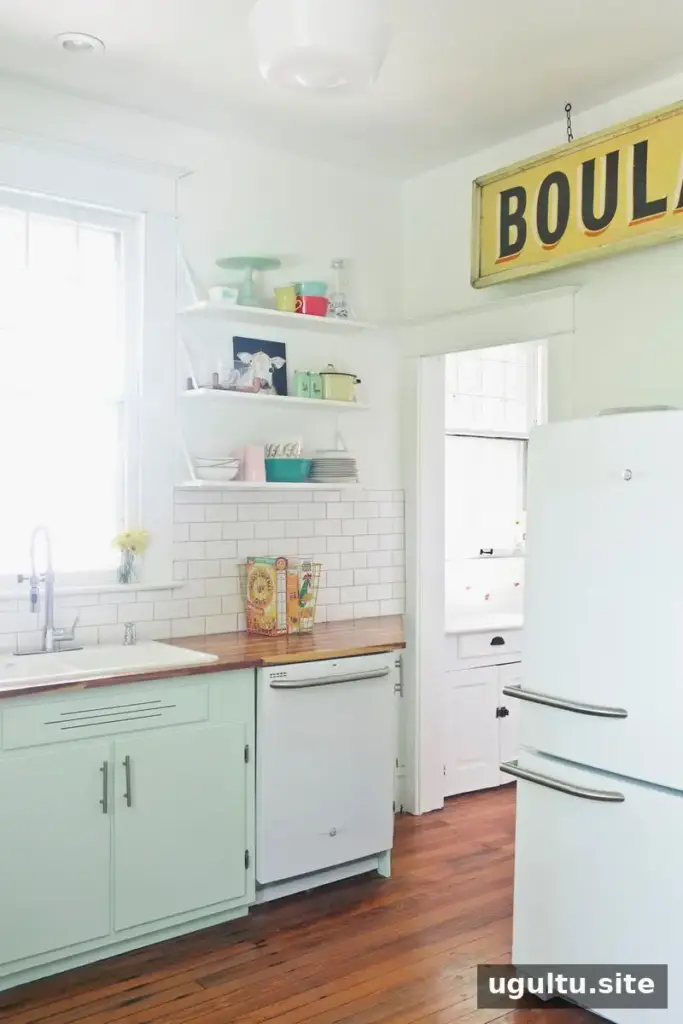
Kitchen appliances and a cow painting by Augusta Cole.
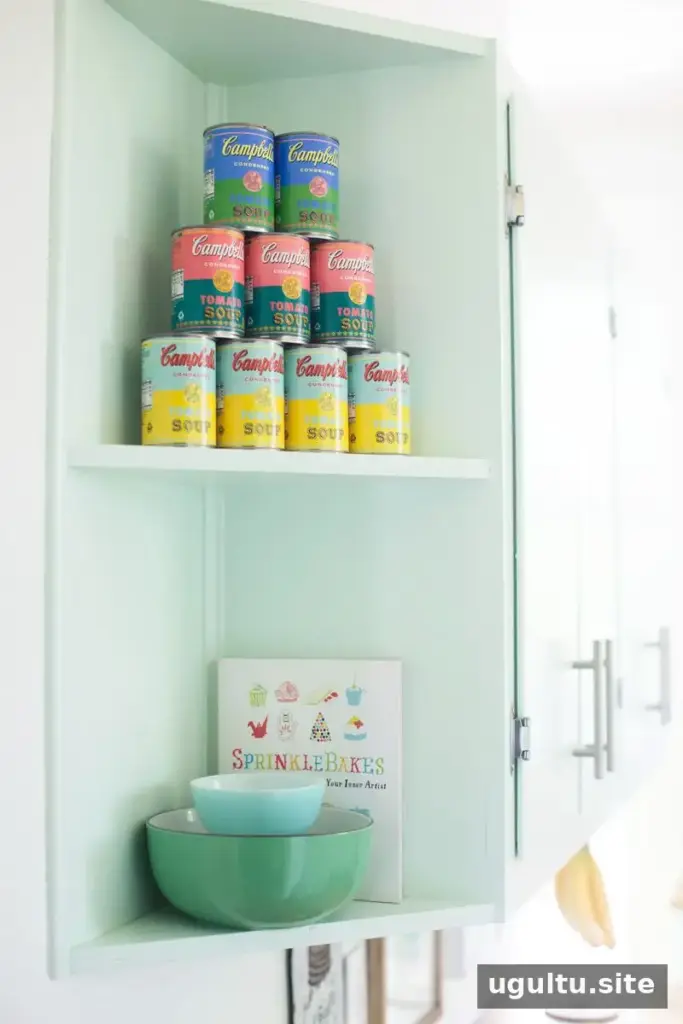
The kitchen’s hunter-green laminate counters were replaced with butcher block. The plywood cabinets were painted mint green, the hardware was updated, and some upper cabinets were removed to make room for open shelves, subway tile, and white walls.
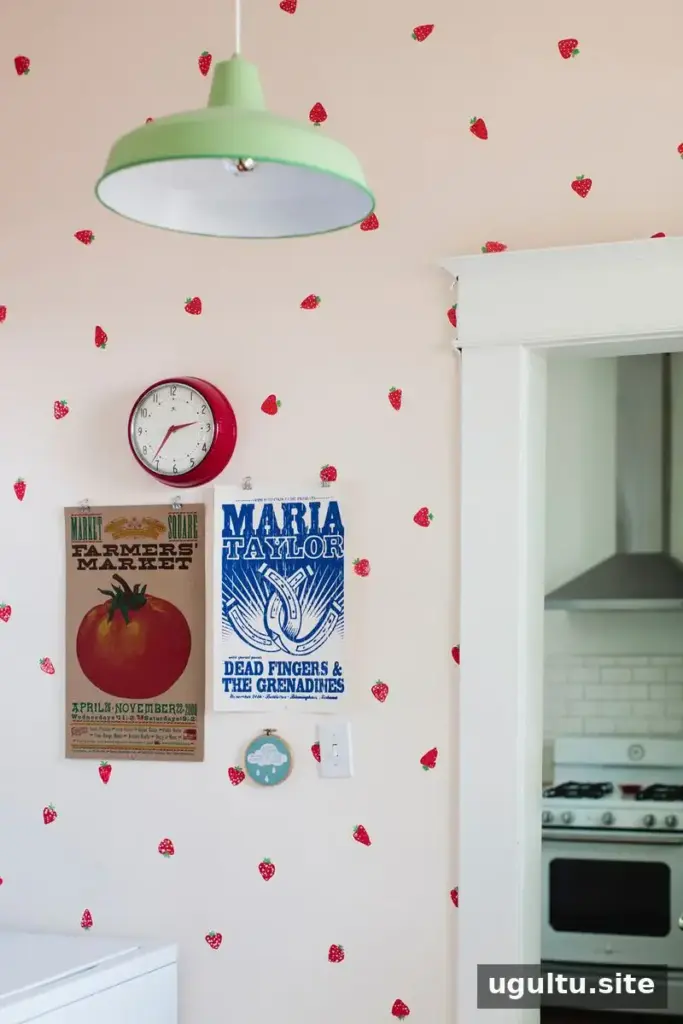
Green-painted pendant light, letterpress prints, and a red clock.
The renovation reflects many kinds of hands-on work, from dyeing the living-room sofa’s slipcovers turquoise to stamping strawberry designs on the laundry-room walls. Morgan and Jamie also polished and restored the wood floors. Together, these details show how a home can be reshaped through a mix of larger renovations and smaller, personal projects.
What makes this Birmingham bungalow distinctive?
The home’s character comes from the balance between bright color, practical improvements, and period-inspired details. Rather than relying on one major change, the renovation brought together painted surfaces, handmade shelving, refreshed finishes, and personal artwork. The result is a warm, functional home shaped around the owners’ tastes.
This Birmingham bungalow also offers a useful reminder for anyone planning a renovation: start with the features a home already has, such as natural light, and make design decisions with the entire space in mind. Morgan Trinker and Jamie’s updates show how careful color choices and achievable DIY projects can help a house feel more personal and inviting.


