
 admin
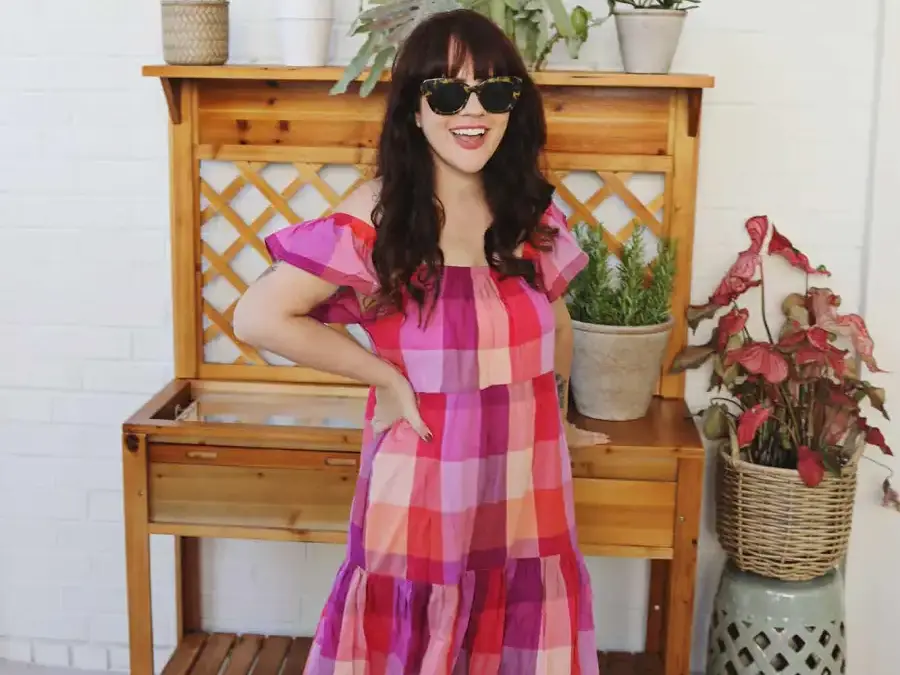
A well-planned potting station makes planting, repotting, and seasonal plant care easier to manage. Whether you garden on a patio or in a larger outdoor area, choose a setup that suits your available space and the projects you do throughout the year. A useful station can also keep soil, tools, and pots organized between planting sessions.
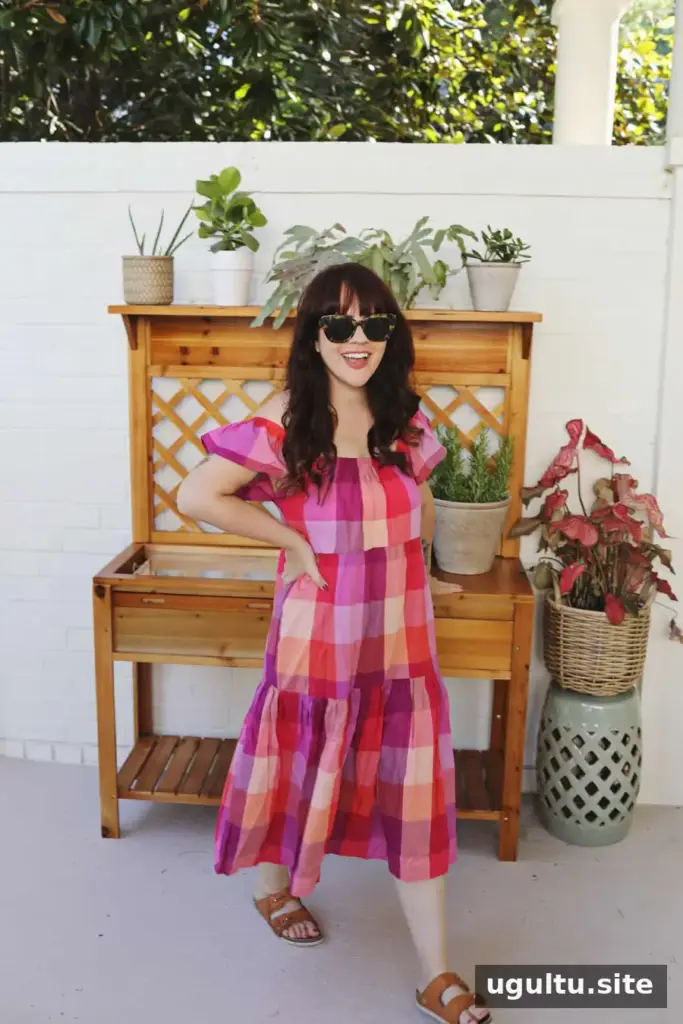
How to Choose a Potting Station
Before choosing a potting station, consider how much room you have and what you want to use it for. A compact surface may be enough for caring for a few houseplants, while regular outdoor planting may call for more work and storage space.
- Measure the area first. Check the station’s dimensions against the space where it will sit, and leave room to move around it comfortably.
- Choose a practical location. Potting can scatter soil and leaves, so an outdoor spot or an easy-to-clean surface can make tidying up simpler.
- Plan for different seasons. Think about whether you will use the station for spring planting, repotting indoor plants, or other projects during the year.
- Keep frequently used items close. A designated place for tools and watering supplies can save time when you are working with plants.
Choosing Herbs and Plants for Your Garden
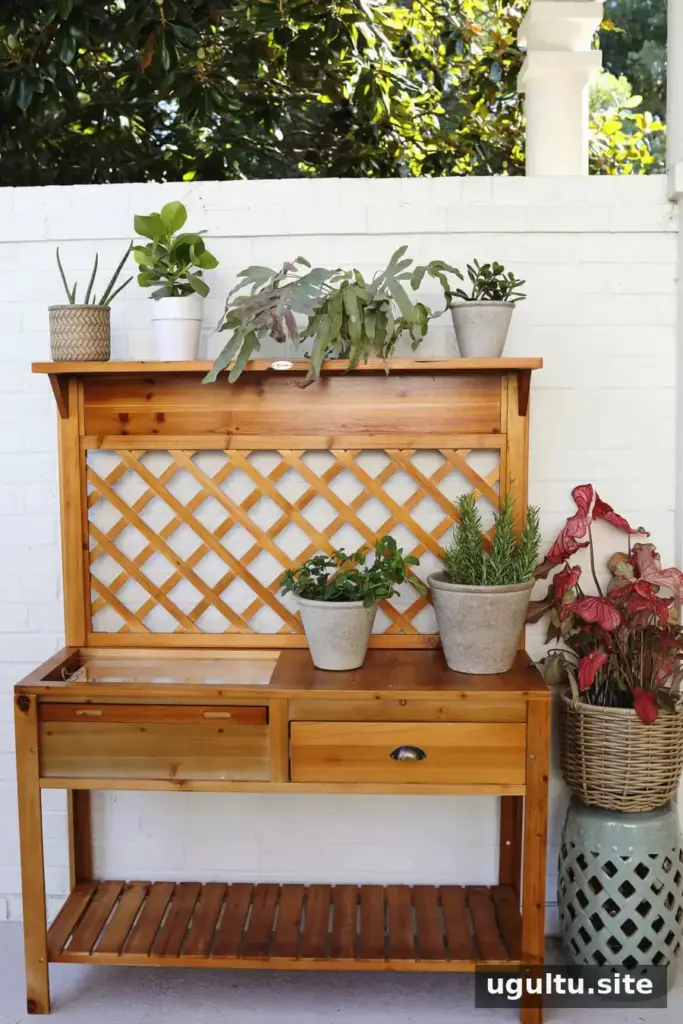
Herbs are a useful choice for a home garden, especially when you regularly cook with them. Rosemary and mint are two options to consider if they suit your recipes and growing conditions. Aloe can also be kept alongside herbs, but it is a succulent rather than an herb. Its care needs differ, so give it a suitable pot and avoid treating it exactly like moisture-loving plants.
- Start with herbs you already use in meals, so you have a reason to harvest them regularly.
- Keep a short list of recipes that call for your chosen herbs to help guide what you plant.
- Check the soil before watering. Water needs vary by plant, pot, weather, and growing conditions, so avoid relying on a fixed daily schedule.
- Use containers with drainage holes where appropriate, and follow the care needs of each plant.
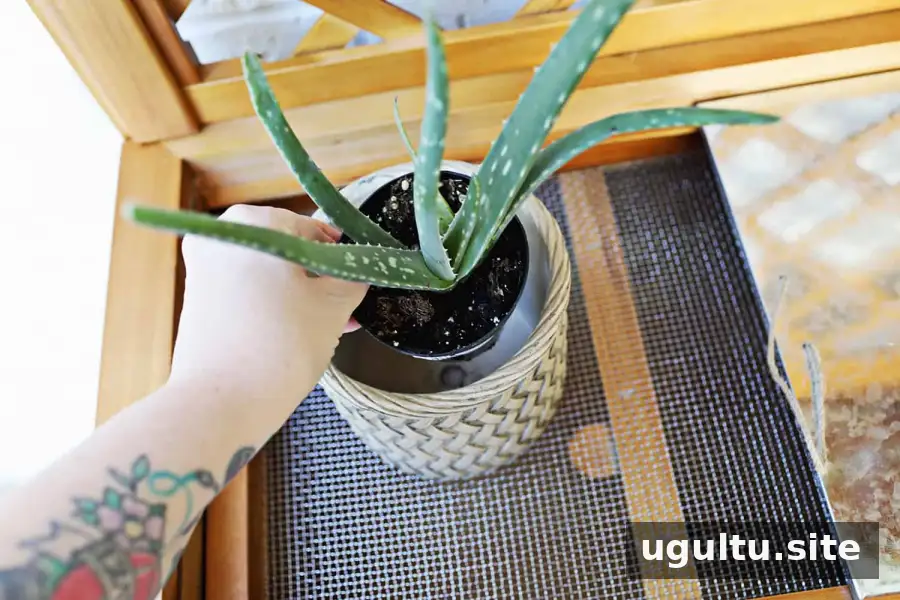
Choose Pots and Arrange the Space
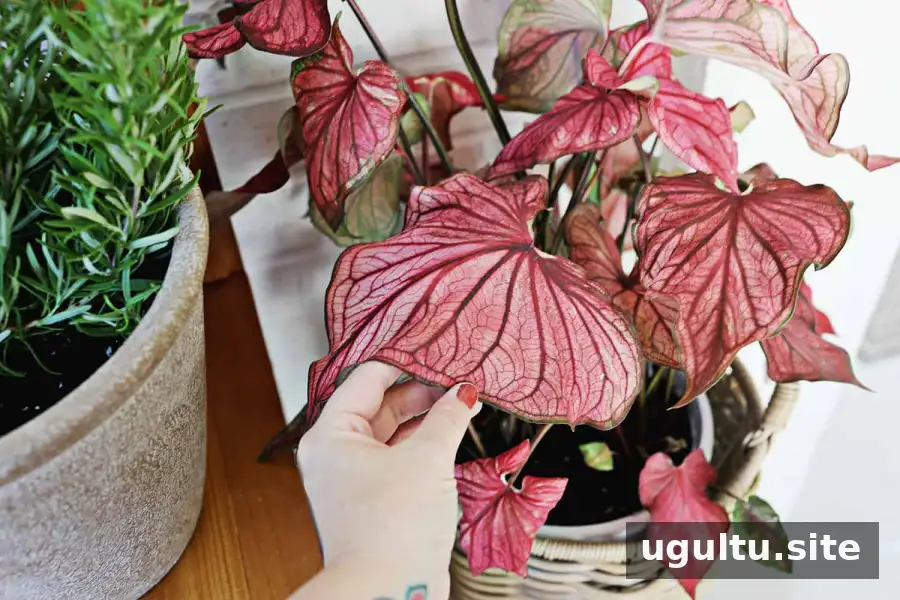
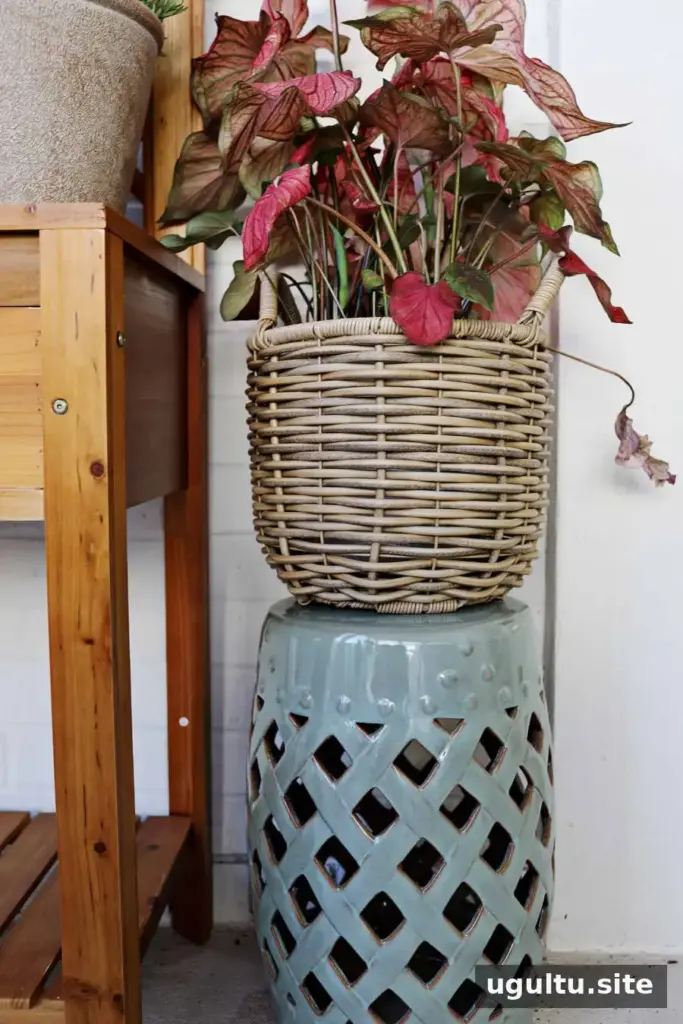
A collection of pots can bring character to a potting area. White containers create a consistent look, while varied textures and natural colors can add contrast. When selecting pots, consider drainage, size, and whether the container is suitable for the plant you plan to grow.
Arrange heavier pots where they will be stable and easy to reach. Smaller containers can be grouped together, while plants with different watering needs are easier to care for when they are not crowded into one spot.
What to Keep at a Potting Station
Keep the basic supplies you use most often within reach, but avoid overcrowding the work surface. A simple checklist can help you restock before a planting project.
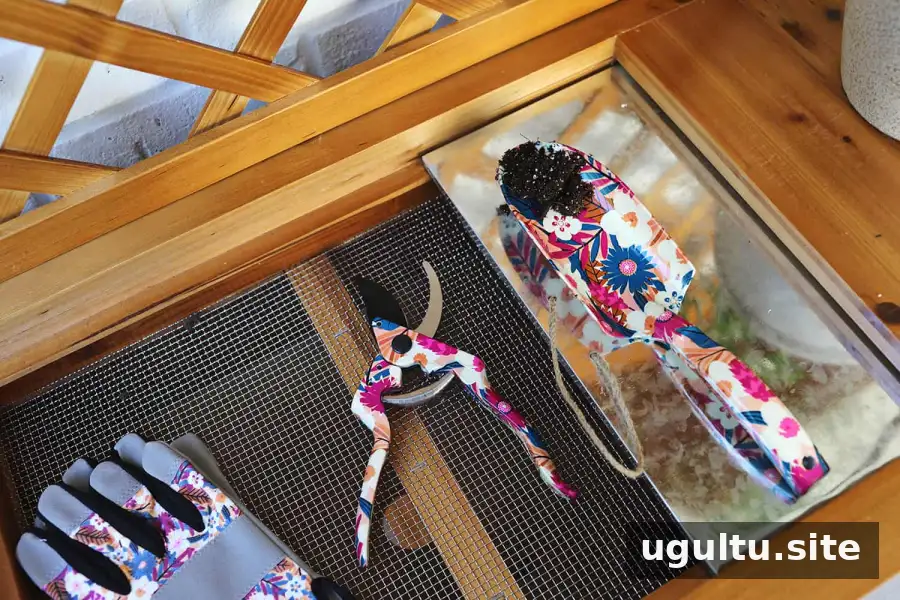
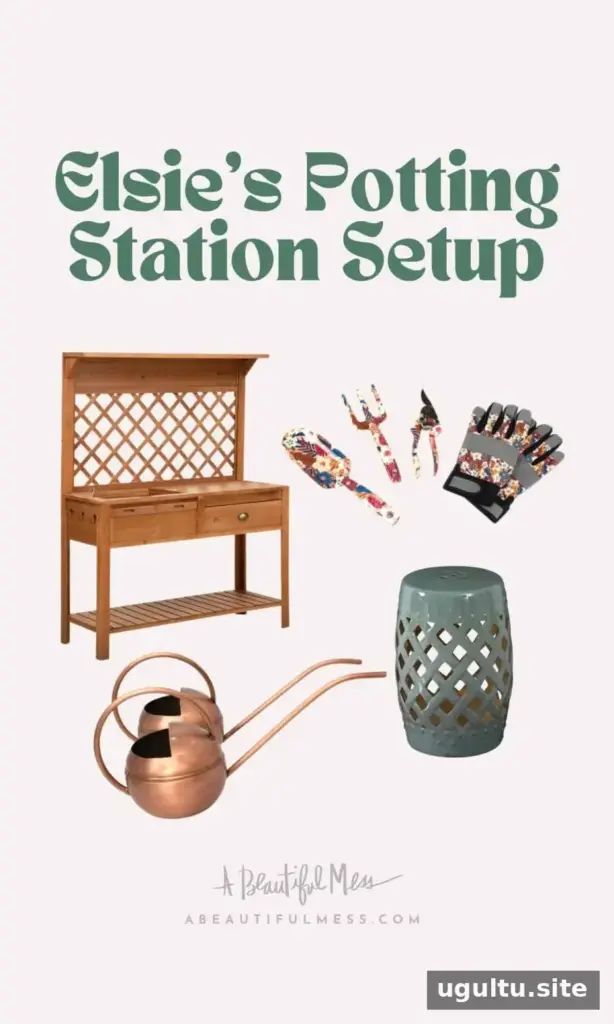
- Gardening tools such as a trowel, shears, or spade
- Potting soil suited to the plants you are growing
- Seeds, if you are starting plants from seed
- Gardening gloves
- A watering can, including a copper watering can if that style suits your outdoor space
Decorative stools can serve more than one purpose around an outdoor area. They may work as plant stands or as small side tables beside seating, provided they are stable and suitable for outdoor use.
Make Your Potting Station Easy to Use
After each project, return tools to their usual place and clear away loose soil. Store soil and seeds according to their packaging instructions, and keep tools dry when possible to help maintain them. A quick cleanup makes the next planting session more convenient.
A thoughtful potting station does not need to be complicated. Measure your space, organize a few essential supplies, and choose plants that fit your garden and routine. With those basics in place, a potting station can support everyday plant care as well as seasonal projects.
— Elsie


