
 admin
If you want to change the appearance of an asphalt shingle roof, you may be able to paint roof shingles instead of replacing them. Painting can be a lower-cost way to update a small structure, but it is a surface treatment—not a substitute for fixing damage, leaks, or worn-out roofing. Inspect the roof first and consider whether painting is suitable for its condition.
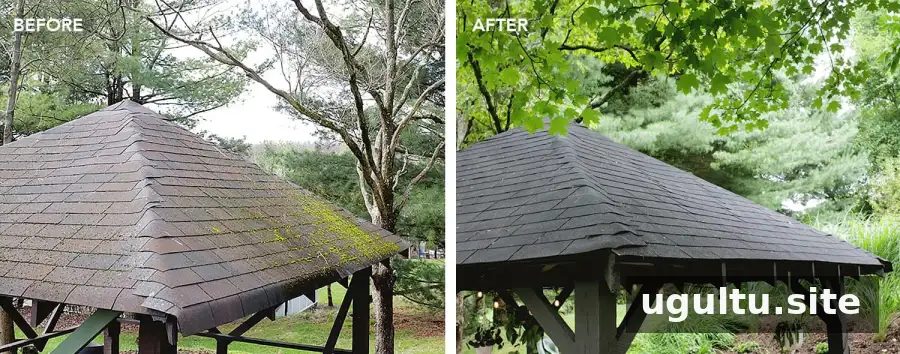
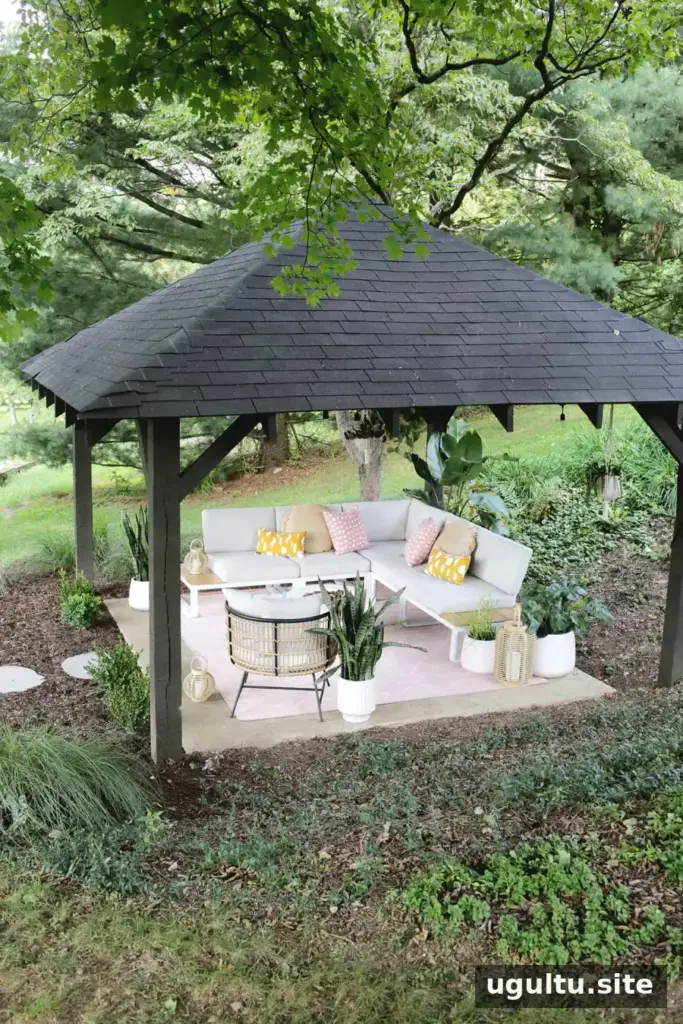
Before starting, arrange a roof inspection to identify repairs that need attention. Painting will not secure loose shingles or stop leaks. Check the shingle manufacturer’s guidance and any applicable warranty terms, since coating a roof may affect them.
Safety note: Roofs and ladders present serious fall risks. Use appropriate fall-protection equipment and work with a partner. If you are not confident you can do the job safely, hire qualified roofing or painting professionals.
When to Paint Roof Shingles—and When Not To
Painting may make sense when the shingles are in sound condition and the goal is to change their color. It is generally not a good solution for a roof with persistent leaks, lifted or missing shingles, or widespread deterioration. In those situations, have a roofing professional assess whether repairs or replacement are needed before considering a coating.
Painted shingles should be checked at least once a year for peeling or chipping. Severe weather can wear the finish more quickly than moderate conditions, so inspect after significant storms as well.
Choose Suitable Paint and Primer
Use an exterior acrylic latex paint specifically labeled as suitable for roof shingles or similar roofing surfaces. Water-based coatings can allow moisture to escape more readily than some alternatives, but always follow the product’s instructions and confirm it is compatible with your roof material.
A compatible exterior bonding primer can help the topcoat adhere. Some paints may include primer, so check the label to determine whether a separate primer is recommended. Test the products on a small, inconspicuous area if the manufacturer allows it.
Step 1: Clean the Roof
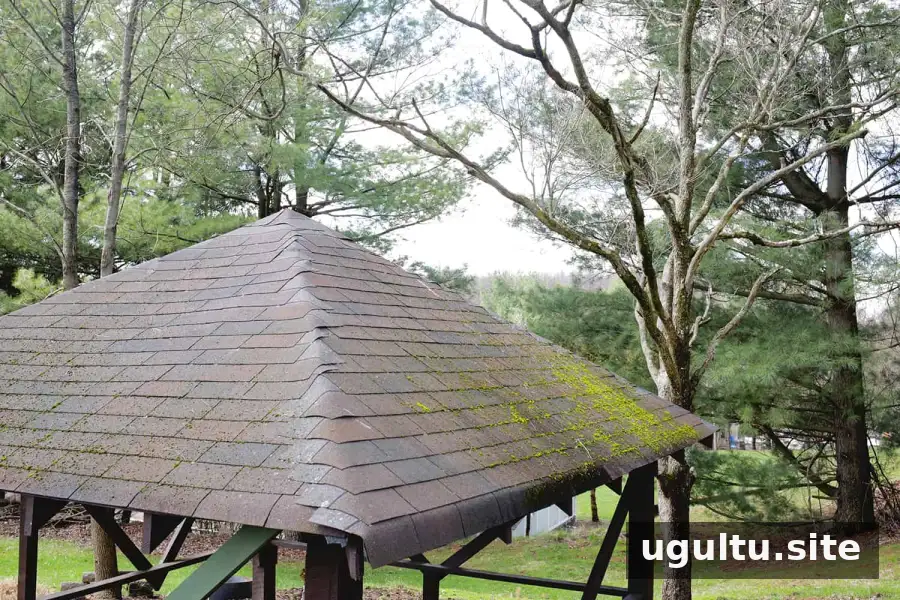
Remove dirt and address moss or algae before painting. A power washer can clean efficiently, but excessive pressure or spraying upward can damage shingles or force water beneath them. If you are unsure how to clean the roof safely, arrange professional cleaning.
For algae, the original method uses a solution of 50% water and 50% bleach. Protect nearby plants by wetting them before application and rinsing them thoroughly afterward. Follow product safety instructions, wear suitable protective equipment, and never mix bleach with other cleaners. Allow the roof to dry completely before moving on; painting a damp surface can interfere with adhesion and may trap moisture.
Step 2: Apply Primer
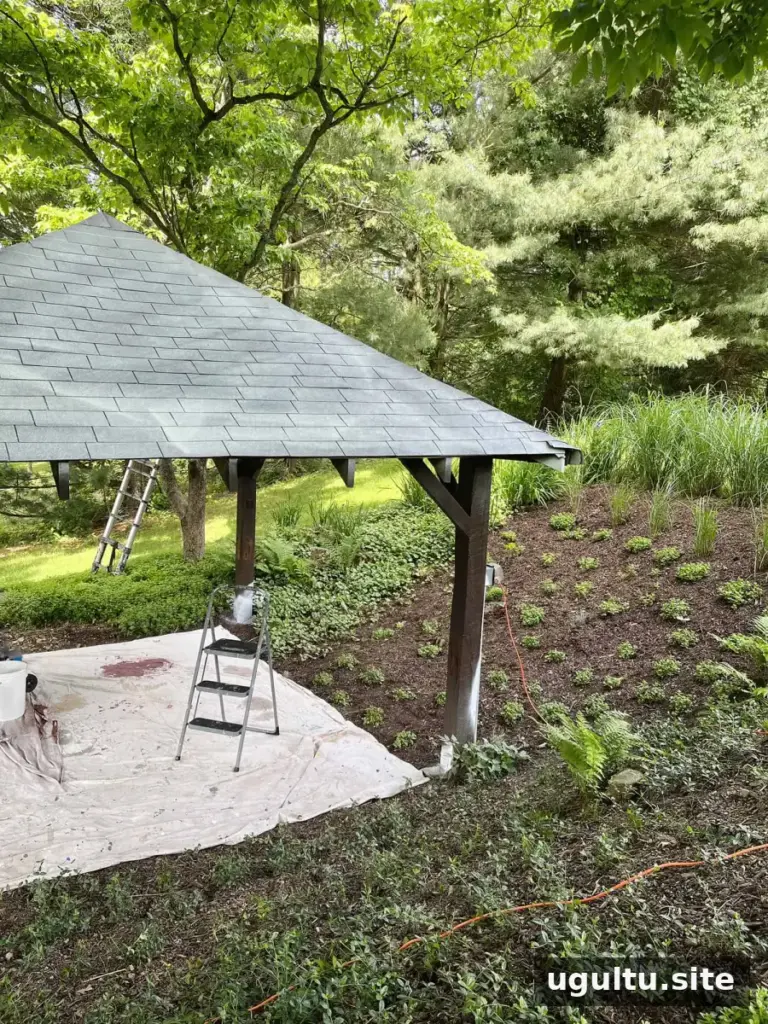
Cover nearby surfaces and plants with drop cloths to protect them from drips or overspray. Apply a compatible primer in an even coat using a paint sprayer, following the label for application and drying times. Do not apply the topcoat until the primer is fully dry.
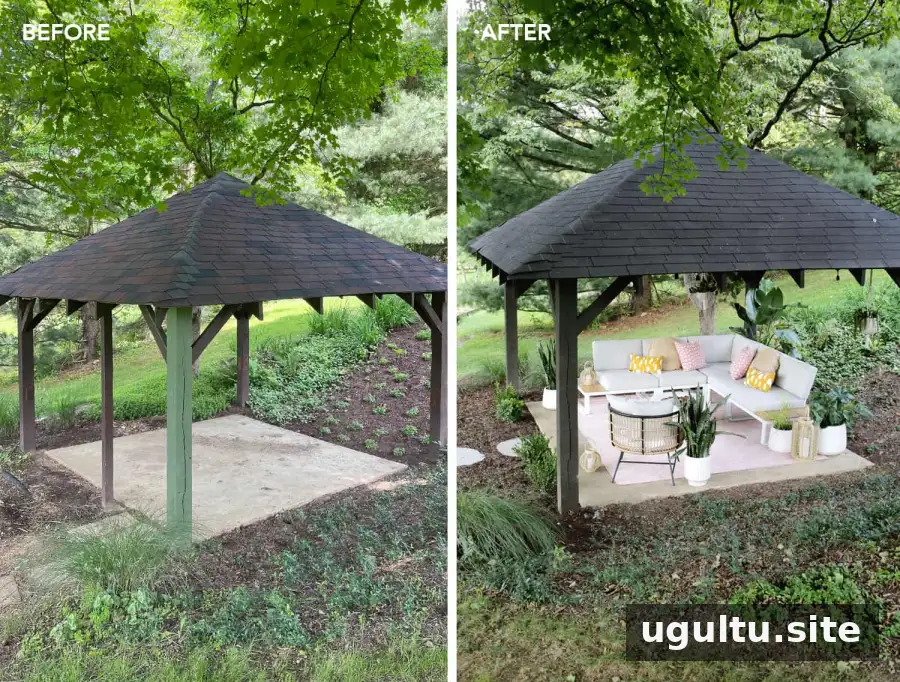
Step 3: Paint the Shingles
Once the primer has dried, apply the roof paint in thin, even coats. A sprayer can help cover the surface consistently; follow the product directions and allow each coat to dry before applying the next. Avoid applying paint in conditions outside the temperature or weather range listed on the label.
Plan for at least one or two coats. The number needed depends on application thickness and the color being used. A dark finish over a white primer may require additional coats for even coverage.
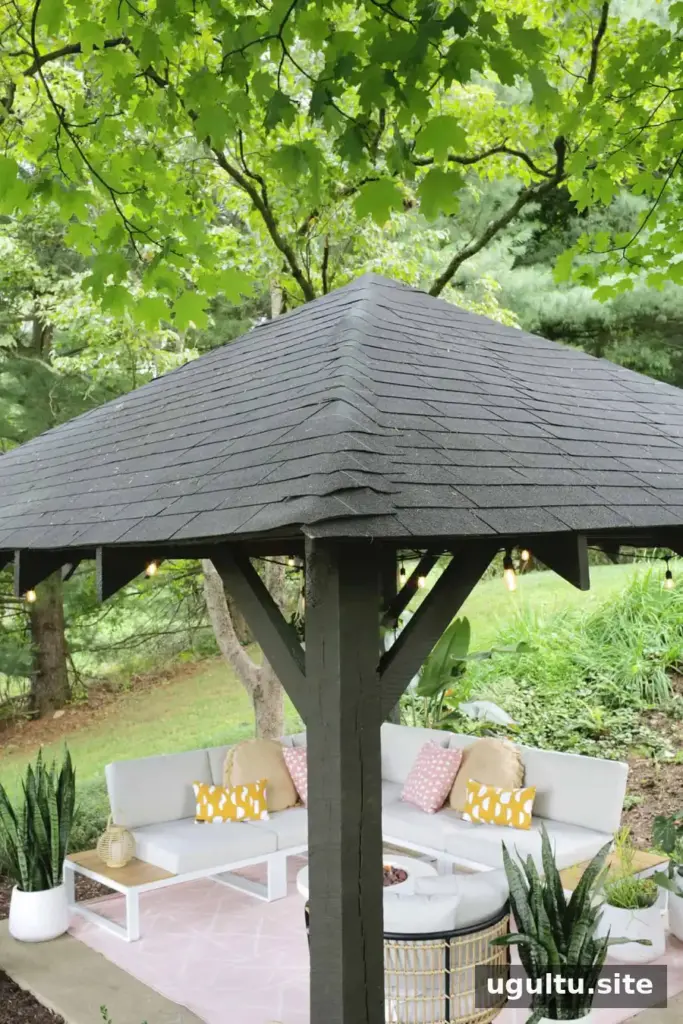
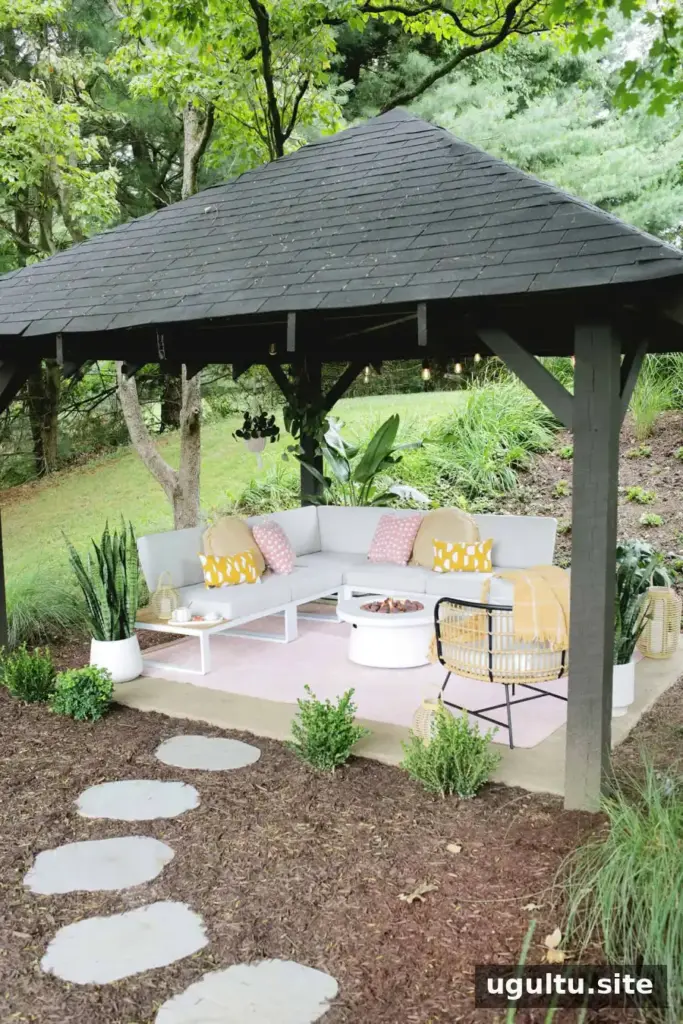
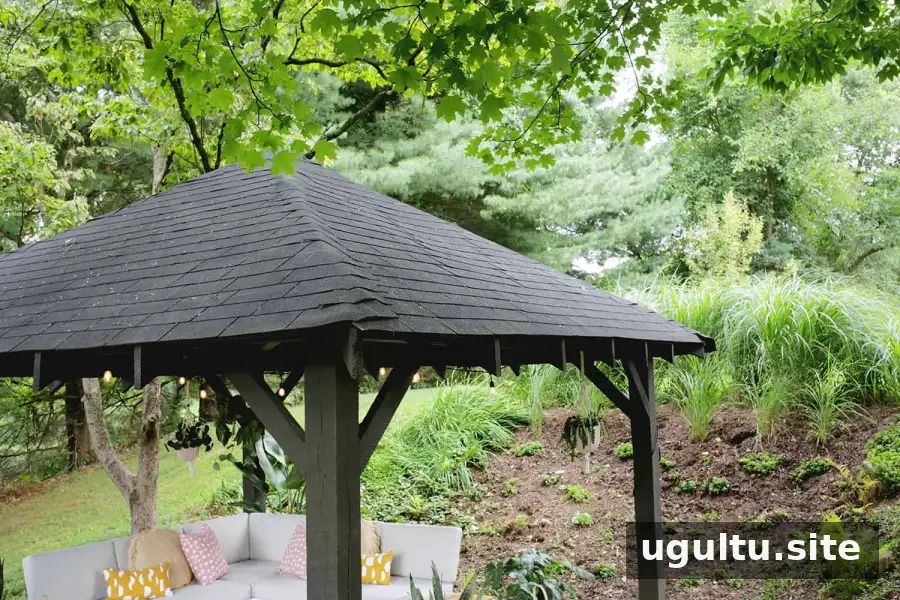
What to Expect After Painting
Painting can refresh the look of a sound shingle roof, but it is a temporary finish that will need monitoring and maintenance. It does not repair roofing problems, and it may not be worthwhile if the roof is near the end of its service life. Compare the cost of preparation, paint, and future upkeep with the cost of professional repairs or replacement.
For a small outbuilding with shingles in good condition, painting may be a practical cosmetic update. Before you paint roof shingles, confirm the roof is suitable, choose products made for the surface, and put safety first. When the roof is damaged or deteriorating, address its condition before focusing on color.


