
 admin
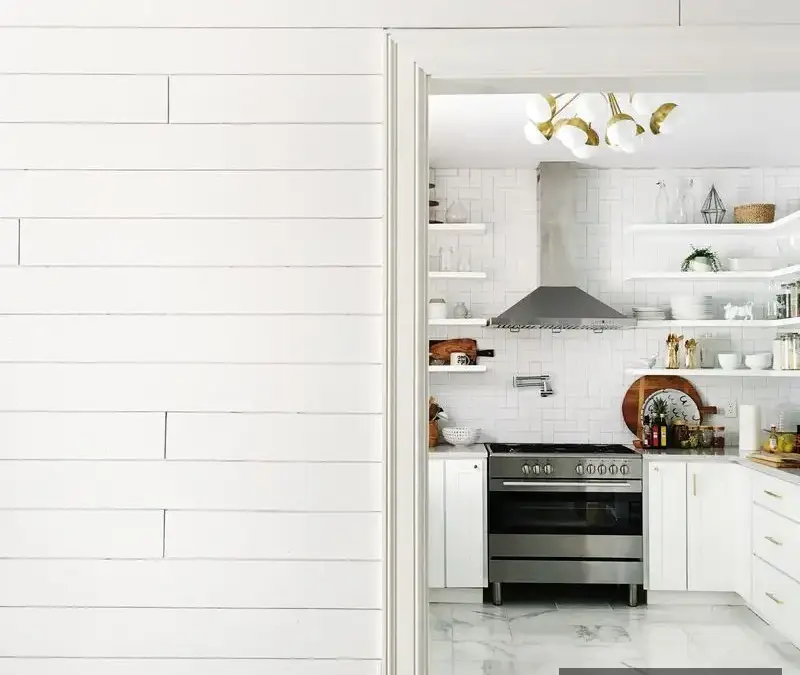
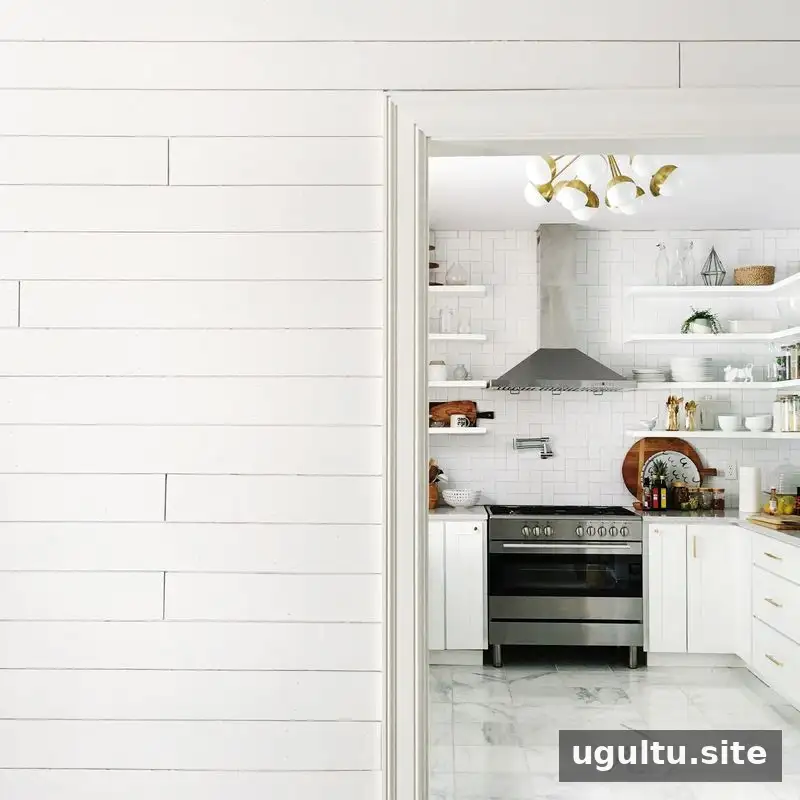
A DIY shiplap wall can add subtle texture and visual interest without making a room feel overly rustic. The look works with different decorating styles, so consider the whole space before deciding whether shiplap fits your plans. A modern color palette and furnishings, for example, can help balance the wall’s traditional character.
Is a DIY shiplap wall right for your space?
Shiplap is often associated with farmhouse interiors, but it does not have to define the style of a room. Its neutral lines can complement a range of decor. Before choosing materials, look at examples of finished walls and imagine how the board width, paint color, and surrounding details will work together.
It can also help to decide whether you want shiplap on one feature wall or across a larger area. A single wall may require less material and labor, while a larger project could make a contractor’s quote more worthwhile to compare against DIY costs.
DIY or hire a contractor?
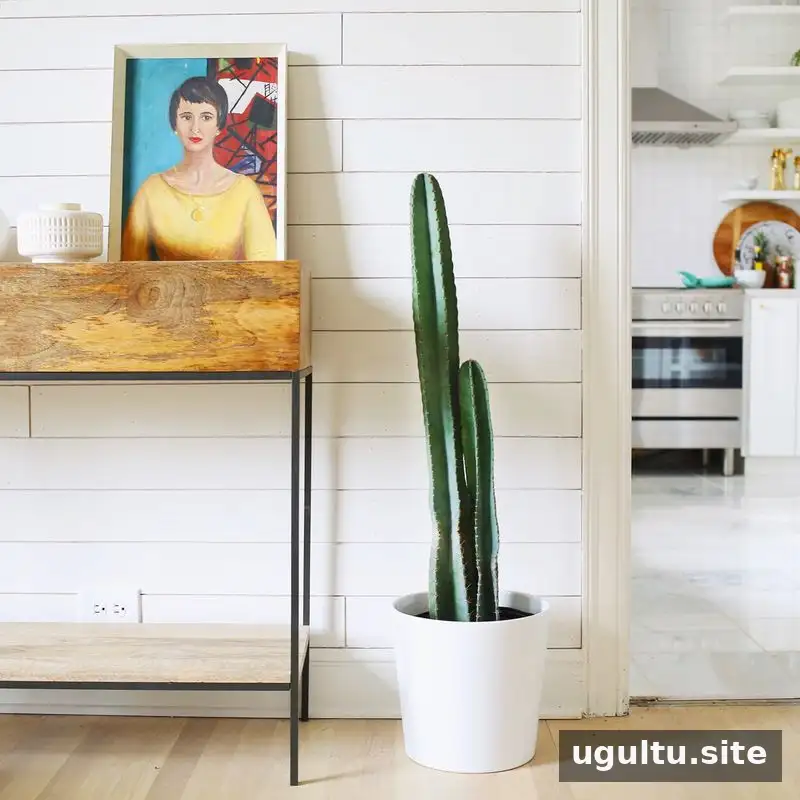
The right choice depends on the project size, your available time, and the local installation cost. For a small wall, a reasonably priced contractor quote may make hiring out the work a practical option, particularly when the work can be combined with other projects. For a larger area, or when contractor pricing is not affordable, doing the work yourself may be worth considering.
Compare the full cost of both options before deciding. Include materials, cutting, paint, and any tools you may need, not just the price of the boards. If you are new to this type of project, review a reliable step-by-step installation guide before buying supplies.
Materials and planning tips for a DIY shiplap wall
- Choose thin boards. Lauan plywood is one option mentioned for this project. Thin wood helps keep the boards from sitting too far out from the trim and can cost less than thicker lumber. Avoid using 2x4s for this application, since their thickness can make the finished wall look less polished.
- Ask about cutting services. Some home improvement stores will cut boards for a small fee. This can be useful if you do not own a saw, but confirm the service and cutting costs with the store before you go.
- Compare board widths. Planks can be relatively narrow or around twice as wide. Browse several examples and choose a proportion that suits your wall and the look you want before purchasing materials.
- Decide whether to caulk the gaps. Caulking is optional and affects the appearance of the spaces between boards. Leaving gaps visible can create a more defined-lined look, while caulk can soften them. Consider the finish you prefer before beginning.
- Select paint for the room. Flat paint was used for a living area in this example, while semi-gloss can be considered for a backsplash. Choose a finish suited to the location and the look you want.
Final thoughts on a DIY shiplap wall
A successful DIY shiplap wall starts with thoughtful planning: compare installation costs, choose suitably thin wood, and settle on board proportions and finishes before work begins. Shiplap can fit more than one decorating style, so trust the overall design of your room rather than assuming it must look farmhouse-inspired. — Elsie


