
 admin


Cold weather photography can be challenging: people get uncomfortable quickly, and winter landscapes may look bare or feel difficult to work with. A little preparation helps you make the most of a short outdoor session while keeping your subject comfortable. These tips cover posing, planning, clothing, background blur, and soft light on cloudy days.
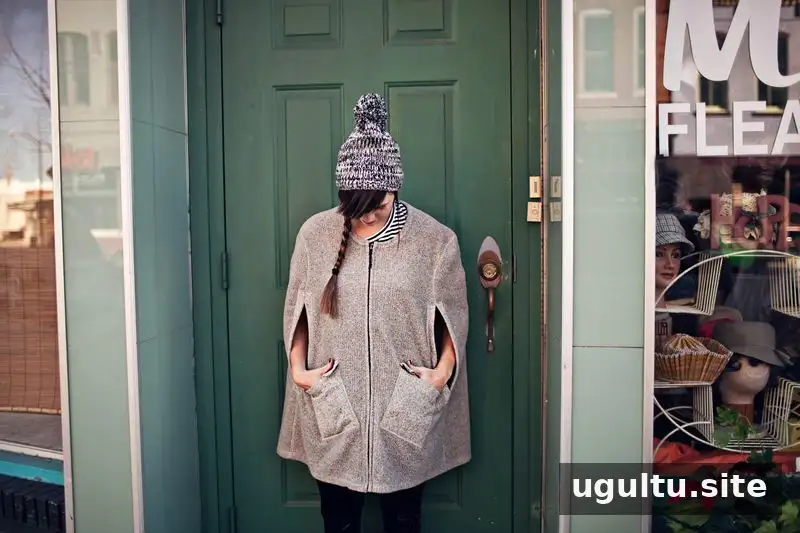

Cold weather photography: five useful tips
1. Help your subject relax
Cold can make people tense their shoulders, tighten their expressions, or hunch forward. Before taking a shot, invite your subject to lower their shoulders, take a calm breath, and relax their face. Small adjustments to posture can make a portrait look more natural and comfortable.
In the photo below, Shailey was cold and tense. Asking her to drop her shoulders made a visible difference. Keep an eye on body language between shots, and pause to warm up if your subject is becoming too uncomfortable.

2. Plan the location and poses beforehand
Decide on your locations, compositions, and a few poses before heading outdoors. A simple plan reduces time spent standing in the cold while you work out what to photograph next.
For a maternity session during snowfall, the photographer planned the prompts in advance. The subject could step out of the car for a few minutes to take photos, then return to warm up. This approach can help you get a variety of images without staying outside longer than necessary.
Practical tip: Choose a nearby place to warm up and organize your camera settings before beginning the session.
3. Use warm layers for comfort and color
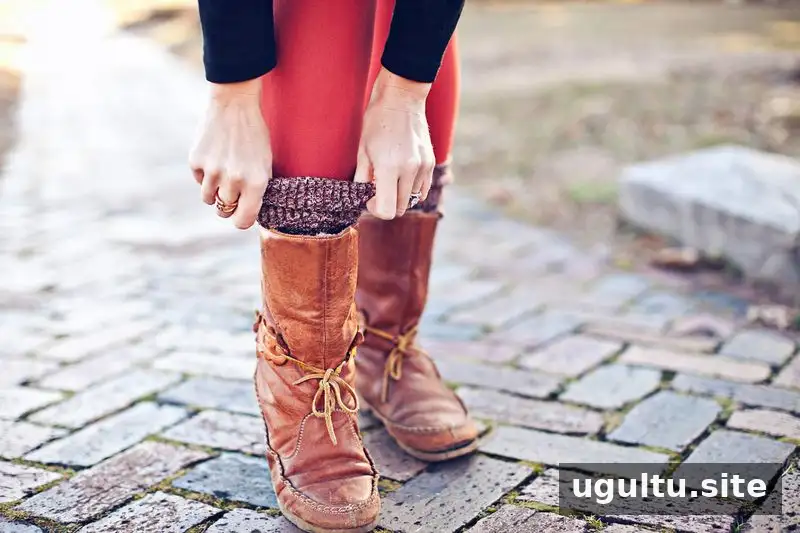
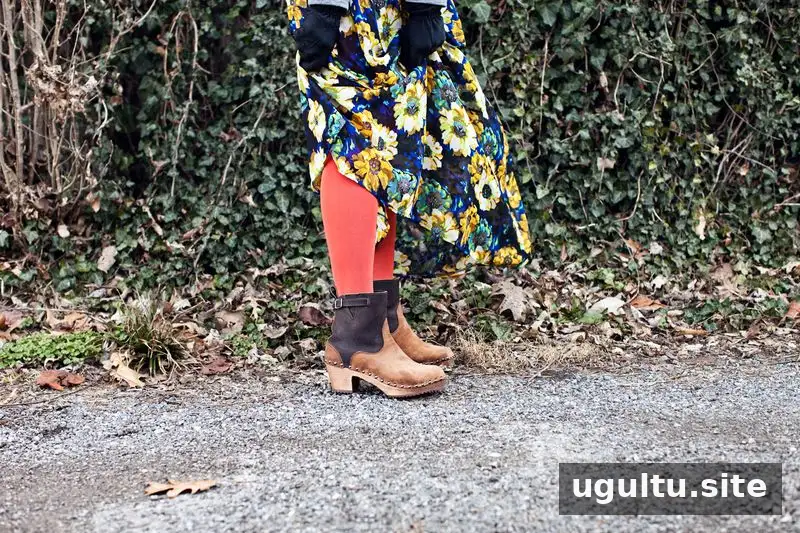
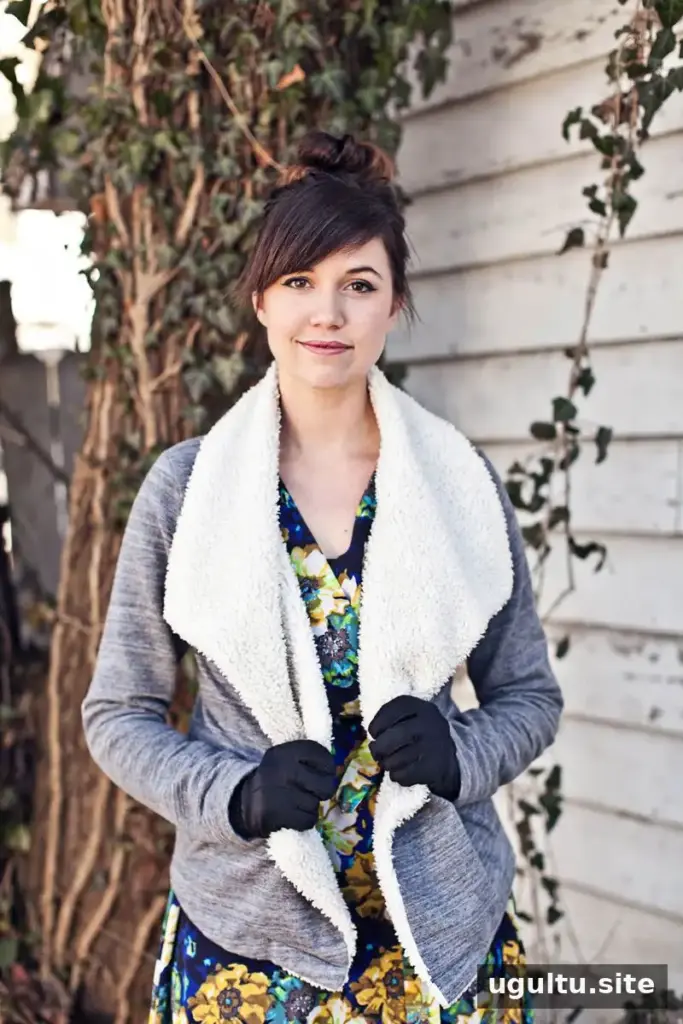
Layers can provide warmth while adding color and texture to winter portraits. Ask your subject to dress warmly in coordinated layers, such as sweaters, scarves, or other suitable clothing. If you want portraits without a bulky coat, keep that period brief and have the coat ready between shots.
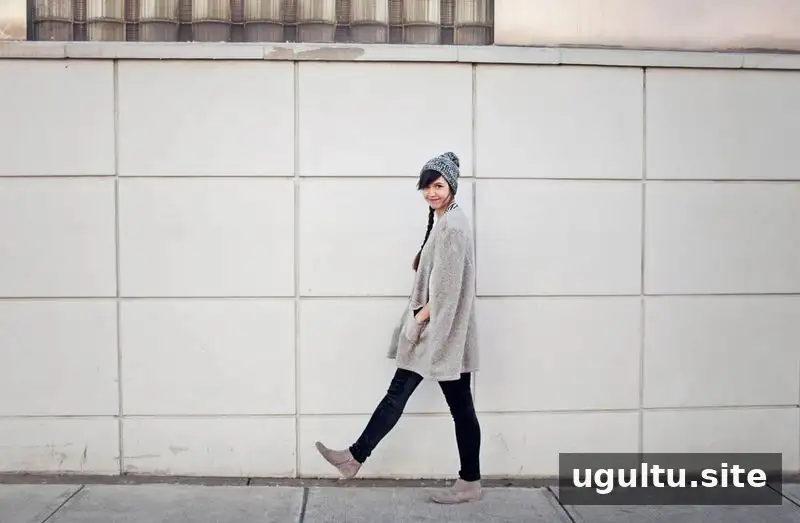
Shailey wore layers for her photo session, helping create visual interest while keeping the winter setting from dominating the images.

4. Blur distracting backgrounds
Leafless trees can draw attention away from a portrait. To make the subject stand out, use a wider aperture, which is indicated by a lower f-stop number. A wider aperture can create a shallower depth of field, leaving the subject in focus while softening the background.
Depth of field describes how much of a scene appears sharp. The exact result also depends on factors such as the distance between the subject and background, so check your images as you shoot and adjust your framing or settings as needed.

5. Make the most of cloudy weather
Cold, cloudy conditions are not a reason to cancel a photo session by default. Clouds diffuse sunlight, often creating soft, more even illumination and reducing harsh shadows. This can make it easier to photograph a subject in different locations without strong patches of direct sun.

Soft, diffused light can work beautifully for portraits. Check your subject’s face and exposure as you move, since the amount of light can still vary depending on the surroundings.

Make cold weather photography more comfortable
Successful cold weather photography comes down to preparation and paying attention to your subject. Plan the shots, dress for the conditions, take breaks to warm up, and use winter light to your advantage. With a thoughtful approach, even a short session can produce relaxed portraits and attractive backgrounds.
— Janae


